You need custom furniture but dread the endless waiting. The vague timelines from suppliers and potential for delays make you hesitant to even start the process. There is a clearer way.
Custom furniture typically takes 4 to 12 weeks from design approval to production completion. This timeline depends heavily on the project’s complexity, material availability, and production schedules. An integrated supply chain partner can provide a clear, predictable schedule from the start.
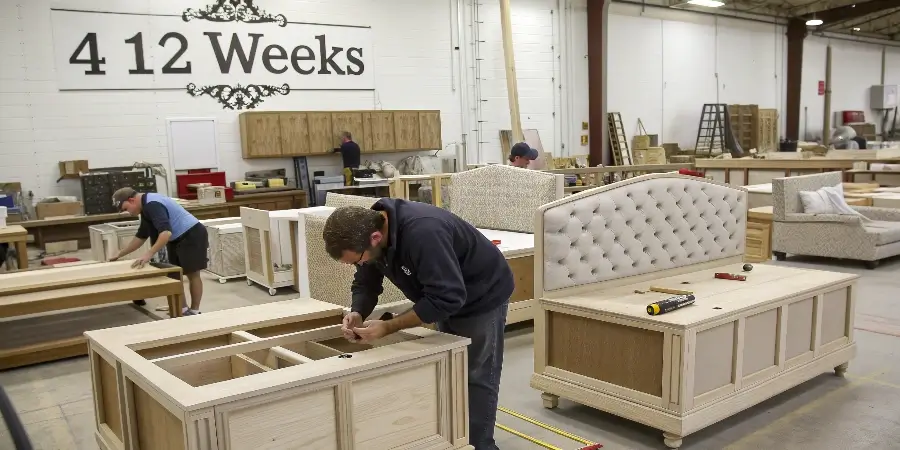
I get this question all the time from my clients. People hear "custom" and immediately picture months and months of waiting in uncertainty. But in my experience at Veyra Luxe, it doesn’t have to be that way at all. With good project management, the process can be surprisingly efficient and transparent. The key is understanding what drives the timeline. When you know the stages involved, the waiting period is no longer a source of anxiety. It becomes a predictable part of creating something unique that will last for decades. Let’s break down what really goes into that timeline.
How long does it take to get custom furniture?
You are trying to plan a large project. The furniture delivery date is a huge question mark, making it impossible to coordinate with other contractors and schedule an opening.
Getting custom furniture involves design, production, and shipping. A single piece like a high-end dining table often takes 4-6 weeks for production. A full whole-home project can take 8-12 weeks before it is even ready to ship, plus transit time.
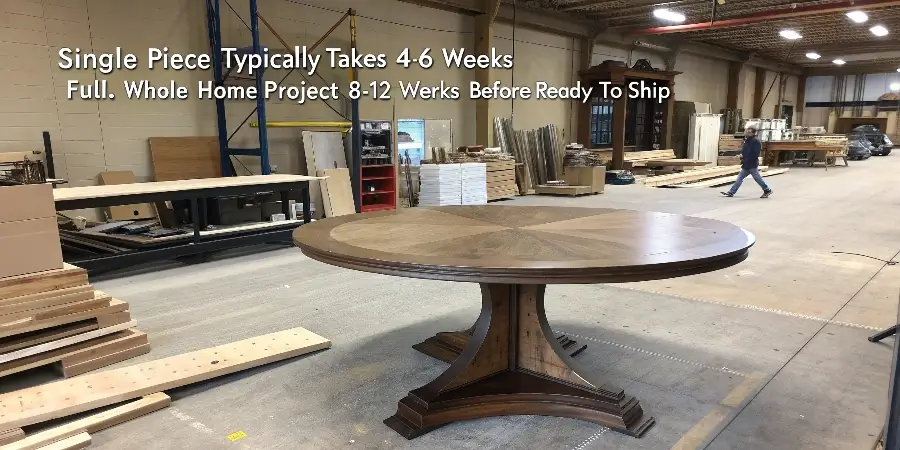
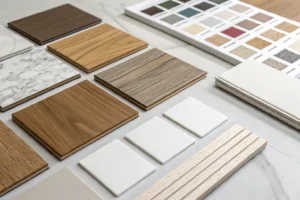
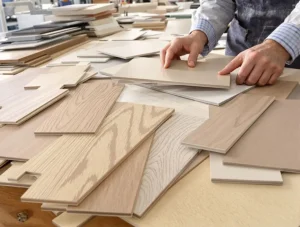
The total time to get your furniture has three main parts: design, production, and logistics. A clear, well-managed process makes all the difference. For a commercial buyer like Michael, who manages complex hospitality projects, predictability is everything. The biggest mistake I see is when clients provide unclear designs. Endless back-and-forth communication about details can add weeks before we even start. That’s why we insist on detailed drawings and clear communication upfront. Another big factor is materials. If you choose a rare imported stone or a special wood veneer, we have to account for the sourcing time. At Veyra Luxe, we manage this by planning ahead and working with our network of suppliers here in Foshan. Finally, international shipping itself can take 3-5 weeks. By integrating design, production, and logistics, we control the entire timeline and keep our clients informed every step of the way.
Key Factors Influencing Delivery Time
| Factor | Impact on Timeline | How to Manage It |
|---|---|---|
| Design Clarity1 | Vague or changing designs cause significant delays. | Provide final, detailed CAD drawings and reference images at the start. |
| Material Sourcing2 | Special-order materials (exotic woods, imported stone) can add weeks. | Make material decisions early and confirm availability with your supplier. |
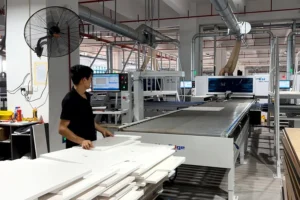
| Production Complexity | Hand-carving or complex joinery takes longer than standard CNC machining. | Be realistic about the time required for high-quality craftsmanship. |
| Logistics | Ocean freight, customs clearance, and inland transport add significant time. | Work with a supplier who manages the entire shipping process for you. |
How long does it take to make a custom couch?
The couch is the centerpiece of your living room. You want a special one, but fear it will take months to arrive, leaving your space empty and feeling unfinished.
A standard custom couch typically takes 6 to 8 weeks to manufacture. This process includes building the frame, applying the suspension and padding, and completing the detailed upholstery work. Special-order fabrics can extend this timeline.
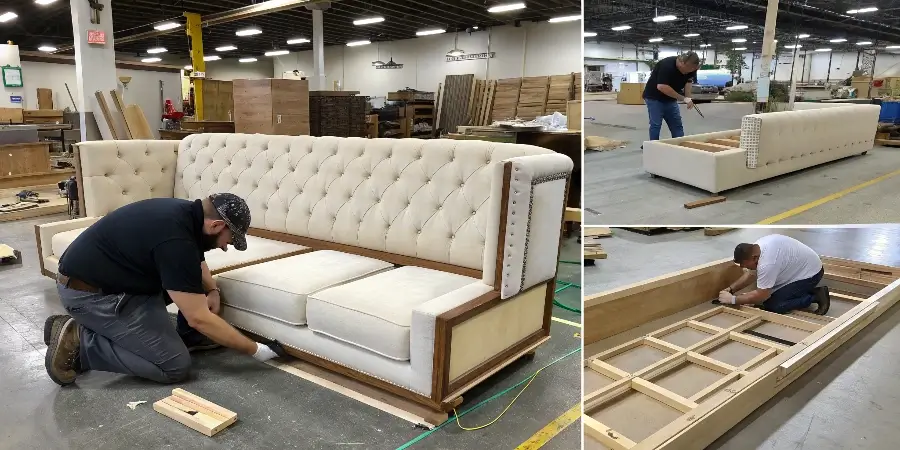
Making a quality couch is a multi-step process that requires skilled artisans. It is not something that can be rushed. First, our team builds the frame, usually from solid hardwood for durability. This step is relatively quick. Next, we install the suspension system, like sinuous springs or webbing, which provides the base for the seating support. After that, we carefully layer different densities of foam and padding to create the specific comfort level and shape the client wants. This is where quality really makes a difference. The final step is the upholstery, which is often the most time-consuming. A simple, solid-color fabric is straightforward. But if a client chooses a complex pattern that needs to be perfectly matched across all the cushions and seams, it requires incredible precision and skill. I remember a hotel project where the designer specified a unique velvet from Italy. We told the client upfront that sourcing it would add 3 weeks to the timeline, but the final result was absolutely worth the wait.
How much to charge for custom furniture?
You’re skilled at making things, but you struggle with pricing. You risk undercharging and losing money on your hard work, or overcharging and scaring away the customer.
To price custom furniture, calculate your total cost of materials and labor, then add a markup of at least 100% (often called keystone pricing). This markup should cover your overhead, design time, and profit margin.
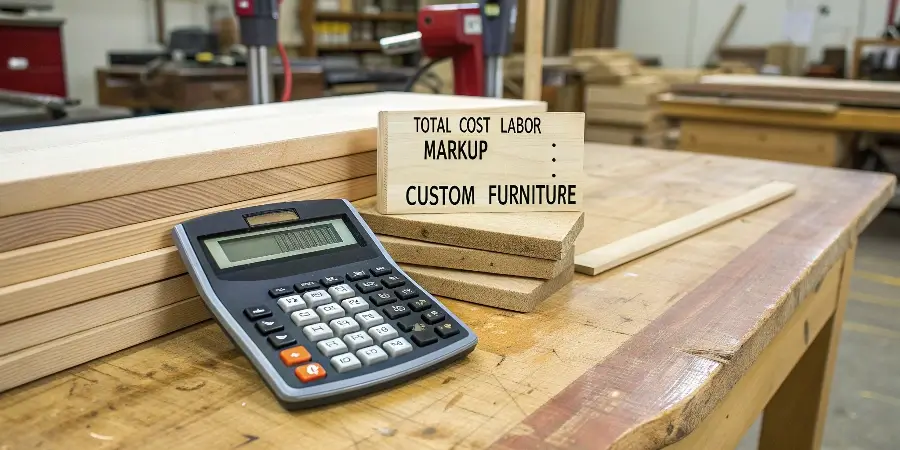
As a manager, I prepare quotes for clients every day, so I have a clear formula. It’s all about transparency and accounting for every part of the value you provide. The foundation of any price is the direct cost. This includes the exact cost of the wood, fabric, hardware, and other raw materials. It also includes the direct labor cost—the hours your skilled craftspeople spend cutting, building, finishing, and upholstering the piece. After calculating the total direct cost, you need to add your overhead. This covers your workshop rent, utilities, tool maintenance, and administrative salaries. Finally, you add your profit margin. A standard keystone markup (doubling your direct cost) is a good starting point for retail, but for large B2B orders, the margin might be lower. The most important thing is to know all your costs so you can confidently justify your price. The price reflects not just a physical object, but the expertise and service you provide.
Simple Pricing Formula
| Component | Description |
|---|---|
| 1. Direct Material Cost3 | Cost of wood, fabric, foam, hardware, finishes, etc. |
| 2. Direct Labor Cost | Wages for the artisans who build the piece (hours x hourly rate). |
| 3. Overhead | A percentage added to cover rent, utilities, marketing, and indirect costs. |
| 4. Profit Margin4 | The final percentage added to ensure your business is profitable. |
Are custom couches worth it?
You see a decent-looking couch at a big-box store for a low price. A custom one costs much more, and you are not sure if the extra expense is really justified.
Yes, a custom couch is worth it if you value perfect fit, superior quality, and a unique style. You control the size, comfort, and fabric. A well-made custom couch will outlast a mass-produced one by many years, making it a better long-term investment.
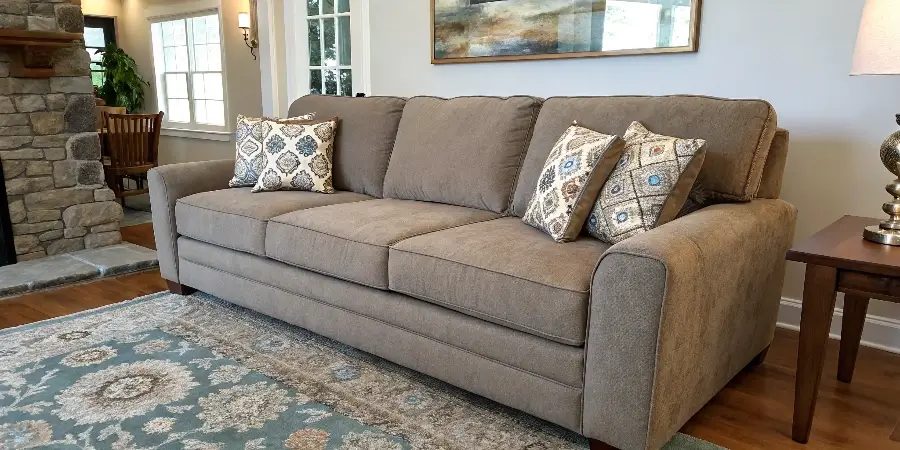
I firmly believe that a custom couch is one of the best investments you can make for your home. First, you get a perfect fit. I had a client with a narrow living room who could not find anything that fit the space without looking bulky. We designed a sofa with a slimmer profile and custom length that transformed his room. Second, you control the quality. Most mass-produced sofas use cheap materials like particleboard frames and low-density foam that sags within a couple of years. With a custom piece, you can specify a solid hardwood frame, high-resilience foam, and durable fabric. This means your sofa will look and feel great for over a decade, not just a few seasons. Finally, you get a unique style. You are not limited to the three colors the store has in stock. You can create a piece that is a true reflection of your personal taste. While the initial cost is higher, you are buying a piece of furniture that might last 15-20 years, making it cheaper in the long run than replacing a low-quality sofa every few years.
Conclusion
The wait for custom furniture is a worthwhile investment. With a clear process and communication, you get a durable, perfect-fit piece that will serve you for decades to come.
-
Understanding design clarity can help you avoid delays and streamline your project workflow. ↩
-
Effective material sourcing strategies can save time and ensure project success, making this resource invaluable. ↩
-
Understanding Direct Material Cost is crucial for accurate pricing and budgeting in any business. ↩
-
Exploring Profit Margin helps ensure your business remains profitable and competitive in the market. ↩