You need unique furniture for your project, but you’re lost in the jargon. You ask for "custom" but worry you will get a simple modification instead of a truly unique piece.
Custom furniture modifies an existing, standardized design—like changing the size or fabric. Bespoke furniture is designed and built entirely from scratch to your unique specifications. It is the difference between an alteration and a completely new creation.

In my daily work here in Foshan, I see this confusion cost clients time and money. A project manager for a hotel will tell a factory "I need a custom desk," but what they really mean is that they need a bespoke piece. They end up with a standard desk that’s just a bit wider, not the signature piece they imagined for their lobby. The difference sounds small, but it’s huge. It’s like the difference between buying a suit off the rack and having the sleeves shortened, versus having a tailor create a pattern just for your body. One is a modification; the other is an original. Understanding this is the first step to getting what you actually want for your project.
Is bespoke the same as customized?
You use the words "bespoke" and "customized" as if they mean the same thing. This creates confusion with suppliers and can lead to disappointing results that don’t match your vision.
No, they are not the same. Bespoke is a higher and more specific level of customization. Think of it this way: all bespoke furniture is customized, but not all customized furniture is bespoke. Bespoke always means starting from a completely original design.

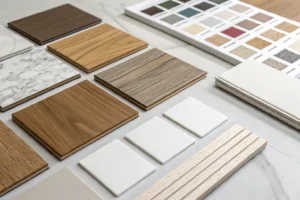
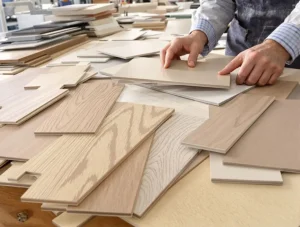
The key difference is the starting point. When a buyer like Michael asks for a custom piece, most factories will show him a standard model from their catalog. From there, he can request changes. Maybe he wants the dining table to be 20 centimeters longer or upholstered in a different fabric. The core design already exists. When he asks for a bespoke piece, he comes with an idea or a sketch. There is no standard model. We start with a blank page and work with him to design the piece from the ground up. This involves creating new technical drawings, making material samples, and building a prototype. It’s a much deeper process focused on creating something that has never existed before.
Custom vs. Bespoke: The Core Differences
| Feature | Custom Furniture1 | Bespoke Furniture2 |
|---|---|---|
| Starting Point | An existing factory model or design. | A blank slate, a concept, or an original drawing. |
| Process | Modification of standard specifications. | Original design, development, and engineering. |
| Uniqueness | Semi-unique; variations of a standard product. | Truly one-of-a-kind, made only for one project. |
| Ideal Use | Large-scale projects needing cost-effective variety. | Signature pieces for lobbies, villas, flagship stores. |
What does "bespoke furniture" mean?
You see "bespoke" used for high-end projects, but the term feels vague. It sounds expensive and complicated, making you hesitant to even ask for what you really need.
Bespoke furniture means a piece designed and made for one specific client, with no pre-existing template. Every detail—from the initial sketch and dimensions to the materials and finish—is developed exclusively for that one-of-a-kind project.
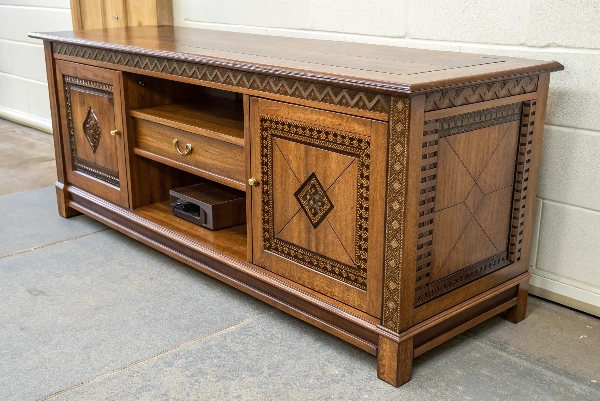
"Bespoke" means a deep partnership. It is a creative process between the client, the designer, and the manufacturer. Imagine you are developing a luxury hotel. You don’t want a reception desk from a catalog. You want a statement piece that embodies the hotel’s brand. You need it to curve in a specific way, be made from a unique combination of marble and wood, and have integrated lighting. This is a bespoke project3. Here in Foshan, many factories can handle custom modifications. But only a few, like my team at Veyra Luxe, have the integrated design4, engineering, and supply chain capabilities to manage a true bespoke project1. We handle everything from the initial design validation and prototyping to sourcing unique materials and overseeing the master craftsmen who bring it to life. This ensures the final product is not just furniture, but a core part of the project’s identity.
Is there a difference between custom and bespoke?
You are starting a new project and need to source furniture. You are not sure whether to ask for custom or bespoke, and you worry about making the wrong, costly choice.
Yes, the difference is critical. "Custom" adapts an existing design, which is efficient for scale. "Bespoke" creates a completely new design, which is essential for brand identity. Your choice depends entirely on your project’s goals and budget.

Choosing the right path from the start saves a lot of headaches. It all comes down to what you are trying to achieve. You should be very clear in your initial inquiry with any supplier. If you fail to specify, a factory will almost always assume you mean the simpler, cheaper "custom" modification. This is why it is so important to work with a partner who understands the difference and can guide you. The right choice affects everything from your budget and timeline to your project’s final market position.
When to Choose Custom
Use "custom" when your priority is cost-effective personalization5 across many units. For example, if you are furnishing 300 apartments and need wardrobes that fit a specific alcove size but are otherwise standard. You start with a factory’s model and just adjust the dimensions.
When to Choose Bespoke
Use "bespoke" when you need a unique piece6 that will define a space and cannot be found anywhere else. For example, the community table in a creative office’s lobby or the unique banquette seating in a high-end restaurant. The furniture is the brand statement.
What are the disadvantages of custom-made furniture?
You love the idea of getting furniture made just for you. But the potential for high costs, long delays, and mistakes makes you nervous about moving away from standard, in-stock items.
The main disadvantages are higher costs from non-standard manufacturing, longer lead times for design and production, and a greater risk of miscommunication. You must be extremely clear about your requirements to get the result you want.
Moving away from off-the-shelf products introduces three risks. First is cost. Making a single unique item is always more expensive per unit than making a thousand. There are no economies of scale. Second is time. The timeline must account for design consultations, shop drawings, revisions, material sourcing, and the actual build. A custom chair7 might take 8 weeks, while a standard one ships tomorrow. Third, and most critical, is the risk of error. If you’re not precise, you might get exactly what you asked for, but not what you actually wanted. That is why detailed technical drawings8 and physical samples are not optional—they are essential to protect your investment. A good sourcing partner’s job is to manage these risks for you. We lock in the design with 3D models and samples, we build a realistic timeline, and we give you a firm price, turning the unknowns into certainties.
Conclusion
Custom furniture modifies existing designs for speed and efficiency. Bespoke furniture creates something entirely new from scratch. Knowing this difference is essential to controlling your budget and achieving your project’s unique vision.
-
Explore this link to understand how Custom Furniture can enhance your space with tailored designs. ↩ ↩
-
Discover the unique aspects of Bespoke Furniture and why it might be the perfect choice for your project. ↩
-
Understanding bespoke projects can enhance your design approach, ensuring your creations are unique and tailored to your vision. ↩
-
Exploring integrated design will provide insights into how to streamline processes and improve collaboration in your projects. ↩
-
Exploring this resource will provide insights into how cost-effective personalization can enhance your furniture projects. ↩
-
This link will guide you on designing unique furniture pieces that can serve as powerful brand statements. ↩
-
Exploring this link will help you understand the unique advantages of custom chairs, including design flexibility and personalization. ↩
-
This resource will explain the critical role of technical drawings in ensuring precision and satisfaction in custom furniture projects. ↩