You want to build a unique home, but the terms "custom" and "bespoke" are confusing. Choosing the wrong path can waste your budget and kill your unique vision.
A custom home adjusts a builder’s existing floor plan. You can change layouts or materials. A bespoke home is designed and built entirely from zero, based only on your vision. It is a completely unique, one-of-a-kind residence.

I see this misunderstanding all the time with my international developer clients. They come to Foshan to source materials for a "custom home," but they have the expectations of a "bespoke" project. They think they’re commissioning a unique masterpiece, but the contract they signed with their builder is for a modified template. This gap in understanding creates huge problems down the line, not just in design but in the entire supply chain for building materials and furniture. It’s crucial to know the difference before you even start sourcing.
Is bespoke and custom the same thing?
You use the terms interchangeably with your builder. This creates a risk of major misalignment on the final product and its cost.
No. "Custom" means modifying an existing plan, like changing menu items in a set meal. "Bespoke" means creating a completely new plan from scratch, designed only for you. Bespoke is a much higher level of personalization.
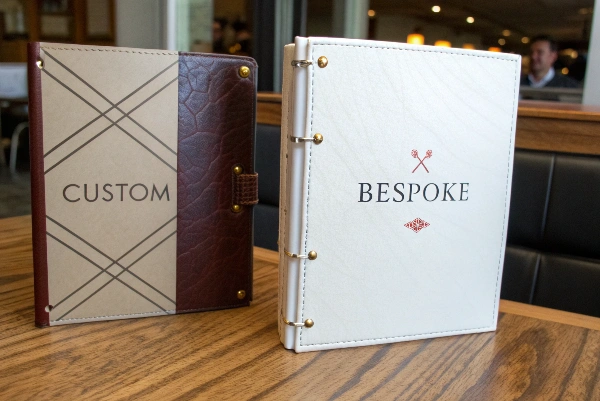
The foundation of the project is what separates the two. When you build a custom home, the builder typically provides a portfolio of proven floor plans. You pick one as your starting point. From there, you can make modifications: move a non-load-bearing wall, enlarge the kitchen, or select different finishes from a pre-approved list. The core structure and design DNA are already there. A bespoke home has no starting point. The architect starts with a blank sheet of paper and designs the home around your lifestyle, the land, and your vision. A developer building fifty mid-range homes needs the efficiency of a custom process. For a single flagship luxury villa, only a bespoke process can deliver the necessary uniqueness and quality.
Key Differences in Process
| Aspect | Custom Home1 | Bespoke Home2 |
|---|---|---|
| Design Origin | Modification of a builder’s existing plan. | A completely new design, created from zero. |
| Flexibility | High, but within the limits of the original plan. | Unlimited; every detail can be specified. |
| Cost Structure | More predictable, based on a known model. | Higher and more variable due to uniqueness. |
| Timeline | Generally shorter and more predictable. | Longer, involving extensive design phases. |
What does "bespoke home" mean?
The term "bespoke home" sounds exclusive and expensive. You’re not sure what it truly involves, which makes it feel out of reach for your project.
A bespoke home is a residence where every element—from the architectural plans and room layout to the materials and interior finishes—is uniquely designed and created from scratch. It is a one-of-a-kind home built for a specific client.

A bespoke home3 is the ultimate expression of a client’s identity. The entire process is a deep collaboration. It is not just about choosing finishes; it’s about defining how you want to live. The angle of a window might be designed to catch the morning sun in your favorite reading spot. The kitchen layout is crafted around how you cook and entertain. This level of detail requires more than just a builder. It demands a team of architects, interior designers, and project managers. From my perspective in the supply chain, a bespoke home3 requires a bespoke sourcing strategy4. We are not just supplying standard doors or cabinets. We are sourcing unique slabs of marble, commissioning one-of-a-kind light fixtures, and coordinating the production of custom furniture that fits the unique architecture perfectly. It is a complete, integrated solution.
What does "bespoke residences" mean?
You see "bespoke residences" in luxury real estate listings. You wonder how a developer can create multiple "bespoke" homes, as the term implies uniqueness.
"Bespoke residences" typically refers to an exclusive development where each home is individually designed from scratch. While they may share a location or aesthetic feel, each property is a unique architectural creation, not a variation of a template.
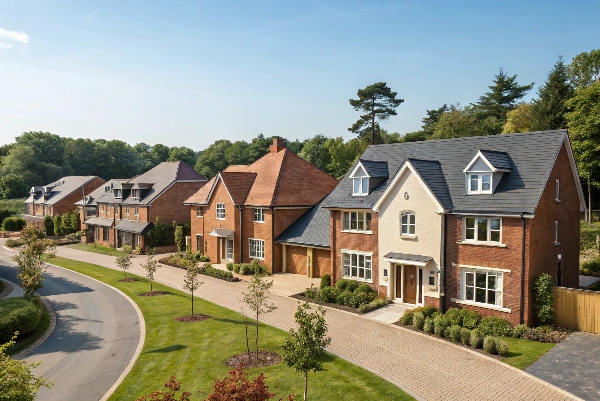
This term is used for the highest tier of property development. Think of a luxury resort5 with a small number of private villas, or an exclusive gated community. The developer isn’t offering a menu of three floor plans. Instead, each buyer works with the project’s architect to design their own unique home within the community’s overall design language. For a sourcing manager like me, a project like this is a fascinating challenge. It combines the scale of a development with the complexity of individual bespoke projects6. We might be sourcing materials for five different homes at once, but each home has a completely different bill of materials. One might require Italian marble and custom brass fittings, while the one next door needs Scandinavian wood and minimalist fixtures. It requires an incredibly agile and powerful supply chain to deliver that level of personalization at scale.
What qualifies as a custom home?
You want more than a standard tract home, but you aren’t sure if your project is truly "custom." You need to know where the line is drawn.
A custom home is a house built on your lot where you modify a pre-existing plan from a builder. You have significant control over the layout, room sizes, and finishes, but you are working within the builder’s established framework.
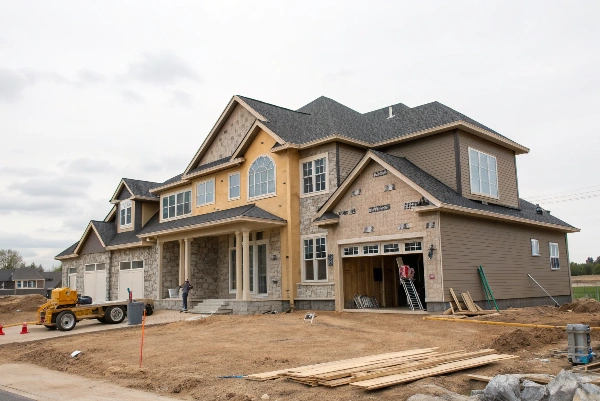
The key qualifier is the starting point: a pre-designed plan. If a builder shows you "The Elmwood" model and you say, "I love it, but can we add a third garage, make the primary bedroom 2 feet wider, and use my own choice of flooring?"—you are building a custom home7. You are guiding the process and making significant changes, far more than in a mass-produced tract home where you only choose the paint color. This approach offers a great balance. For developers and buyers, it provides a high degree of personalization without the higher costs and longer timelines of a fully bespoke project. The builder has experience with the core plan, which makes budgeting more accurate and construction more efficient. For sourcing, it is also more straightforward. We are pulling from a list of approved suppliers and materials8, which ensures quality control and cost management.
Conclusion
Custom homes offer flexibility by modifying a builder’s template. Bespoke homes provide total freedom by starting from a blank page. Your choice depends on balancing efficiency with ultimate personalization.
-
Explore the advantages of Custom Homes, including flexibility and cost predictability, to make informed decisions. ↩
-
Learn about Bespoke Homes and their unique design process, which allows for complete personalization. ↩
-
Explore this link to understand how bespoke homes are tailored to individual identities, enhancing personal living experiences. ↩ ↩
-
Discover the importance of bespoke sourcing strategies in creating unique homes, ensuring quality and individuality in every detail. ↩
-
Exploring these examples can inspire your understanding of high-end property development and design. ↩
-
Understanding the nuances of bespoke projects can enhance your sourcing strategies and project management skills. ↩
-
Explore the advantages of custom homes, including personalization and efficiency, to make informed decisions for your dream project. ↩
-
Learn how using approved suppliers ensures quality and cost management in home building, leading to better outcomes. ↩