Are you struggling to budget for your hotel project? The cost of furnishing a room can vary wildly, making it hard to plan. This uncertainty can put your entire investment at risk.
The average cost to furnish a hotel room is between $8,000 and $25,000. This price depends heavily on your hotel’s brand standard, the quality of materials used, and whether you choose a full-service turnkey solution or source items individually. It is an investment in guest experience.

As a foreign trade manager, I get this question all the time from hotel developers. They want a single number, but the reality is more complex. The first question I ask them back is, "What kind of experience do you want to create for your guests?" This shifts the conversation from a simple price tag to a strategic investment. The cost isn’t just for furniture; it’s for the look, feel, and durability that defines your brand. Let’s break down what really goes into that final number so you can plan your project with confidence.
How much to furnish a hotel room?
Trying to find a clear price for furnishing a hotel room? Many online sources give conflicting numbers. This confusion can make you feel like you’re budgeting in the dark for your project.
To furnish a single hotel room, you should budget from $8,000 for an economy hotel up to $25,000 or more for a luxury property. This range covers all the essential Furniture, Fixtures, and Equipment (FF&E), from the bed and desk to lighting and televisions.

When clients ask me for a price, I explain that the real question is about their goals. Are you aiming for a standard, durable room for a budget brand, or a unique, high-end experience for a boutique hotel? The smartest investors don’t ask about the cost of the furniture. They define the brand standard, guest experience1, and quality they need to achieve first. This is because furnishing a hotel room is an investment in your brand’s reputation and your guests’ comfort. The final cost directly reflects the level of quality you choose for materials, the complexity of the design, and the delivery model you select for the project. For example, a turnkey solution2 might seem more expensive upfront but often saves money and headaches down the road.
What does it cost to fully furnish a room?
You have a budget, but you’re not sure what it actually covers. It’s easy to overlook hidden costs like installation and logistics. This oversight can lead to unexpected expenses that derail your project.
A full furnishing package includes all Furniture, Fixtures, and Equipment (FF&E). This means everything from the bed and chairs to lamps, TVs, curtains, and even the cost of shipping and installation. These items are the key components that create a complete guest room experience.
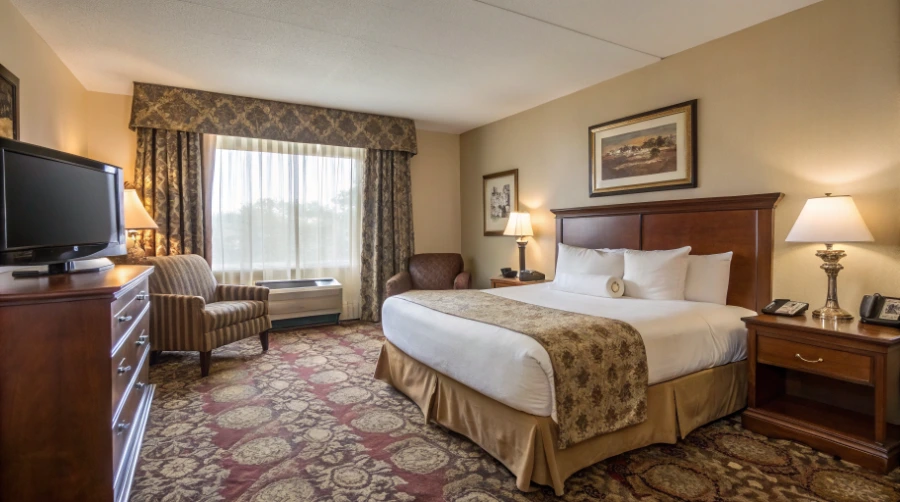
To understand the true cost, you must look at the complete FF&E list. Often, when I see a massive price difference between two quotes for the same room size, it’s because the scope of supply is different. One supplier might only be quoting the casegoods, while another provides a comprehensive package. This is why a detailed breakdown is so important.
The Components of FF&E
To give you a clearer picture, here’s what’s typically included.
| Category | Items | Examples |
|---|---|---|
| Furniture | Casegoods & Seating | Bed frame, headboard, desk, chairs, wardrobe, luggage rack. |
| Fixtures | Lighting & Mounted Items | Bedside lamps, wall sconces, ceiling lights, bathroom vanity lights. |
| Equipment | Electronics & Appliances | TV, mini-fridge, safe, coffee maker, motorized curtains. |
| Soft Goods3 | Textiles & Decor | Bedding, curtains, carpet or rugs, artwork, mirrors. |
| Logistics4 | Services | Packaging, international shipping, customs clearance, site installation. |
The logistics component is the most commonly overlooked cost, but it can make up a significant portion of the final budget.
How do renovation costs differ for different hotel tiers?
Planning a renovation is tough when you don’t know the industry standards for cost. You might overspend on an economy hotel or underspend for a luxury brand. This mismatch can hurt your return on investment.
Renovation costs are tied to the hotel’s market position. An economy hotel’s FF&E may cost $6,000-$10,000 per room, while a luxury resort can easily exceed $30,000 per room for high-end materials, custom designs, and imported furnishings.

The cost per room is a direct reflection of your brand’s promise to the guest. A budget-friendly hotel focuses on durability and function with standardized furniture. A mid-range hotel invests more in custom furniture and better soft goods to create a more comfortable feel. As you move up to boutique and luxury properties, the investment shifts towards premium materials and unique, statement-making designs. In my experience working with developers, setting the target tier is the most critical first step in the budgeting process. It dictates every decision, from material selection to the level of design customization.
Average FF&E Costs by Hotel Tier
Let’s look at some typical numbers I see in the industry.
| Hotel Tier | FF&E Cost Range (per room)5 | Design & Material Focus |
|---|---|---|
| Economy | $6,000 – $10,000 | Standardized, durable, mass-produced furniture. |
| Mid-Range | $10,000 – $18,000 | Mix of standard and custom furniture, focus on comfort. |
| High-End Boutique | $18,000 – $30,000 | Custom designs, high-quality materials, unique lighting. |
| Luxury / Resort | $30,000+ | Imported furniture, premium leathers, artistic fixtures. |
For a 100-room mid-range hotel, the total FF&E investment would be around $1.5 million. By using a turnkey model6 for a project of this scale, you can often shorten the project timeline by up to 30%.
What are the key factors that drive up hotel furnishing costs?
You’re trying to manage your budget, but costs keep creeping up. It’s frustrating when you don’t know what’s causing the increases. This lack of control can make you feel like your project is slipping away.
The biggest cost drivers are material quality, design complexity, and supply chain origin. For example, solid wood costs far more than particleboard, and custom metalwork is more expensive than standard designs. Sourcing from Europe versus Asia can double or triple costs.

The price you are quoted is a result of many decisions. Instead of just focusing on the final number, it’s more productive to ask, "What is included in this quote?" This question helps you understand the value you are getting. The delivery method also plays a huge role. Many experienced developers are now choosing a turnkey FF&E model, where one supplier handles everything from design and manufacturing to shipping and installation. This approach gives you a single point of contact and a clear, fixed cost.
Why a Turnkey Model Saves Money
The traditional approach involves hiring a design firm, then a procurement team to subcontract work to multiple factories, and finally an installation company. This process is fragmented and risky. You can face delays, inconsistent quality, and finger-pointing when problems arise.
A turnkey model7, however, consolidates all these steps.
- One Partner, One Result: You work with a single company responsible for the entire FF&E package.
- Cost Control: The budget is clear from the start, minimizing surprise costs.
- Consistency: The design intent is maintained from production to final installation.
This is the standard operating model for major international brands like Marriott, Accor, and Hilton for their overseas projects because it is simply more efficient and reliable.
Conclusion
The cost of furnishing a hotel room depends on your experience goal, not just a price list. A turnkey FF&E solution helps you control your budget while ensuring quality and timely delivery.
-
Understanding guest experience is crucial for creating memorable stays and enhancing brand loyalty. ↩
-
Exploring turnkey solutions can reveal cost-saving strategies and simplify the furnishing process for hotels. ↩
-
Exploring soft goods selection can enhance the aesthetic and comfort of your space. ↩
-
Understanding logistics is crucial for managing costs effectively in FF&E projects. ↩
-
Understanding FF&E costs helps in budgeting and planning for hotel projects, ensuring financial feasibility. ↩
-
Exploring turnkey models can reveal strategies to streamline hotel development and reduce timelines effectively. ↩
-
Explore this link to understand how a turnkey model can streamline processes and save costs effectively. ↩