Choosing between stainless steel and wood for your kitchen cabinets is a tough decision. Making the wrong choice can lead to years of regret, dealing with damage, maintenance, and a style you dislike.
The best kitchen cabinet material is not about which is universally superior, but which one fits your specific lifestyle and usage intensity. Wood cabinets offer a warm, traditional feel, while stainless steel provides unmatched durability, hygiene, and resistance to water, making it ideal for heavy use and longevity.
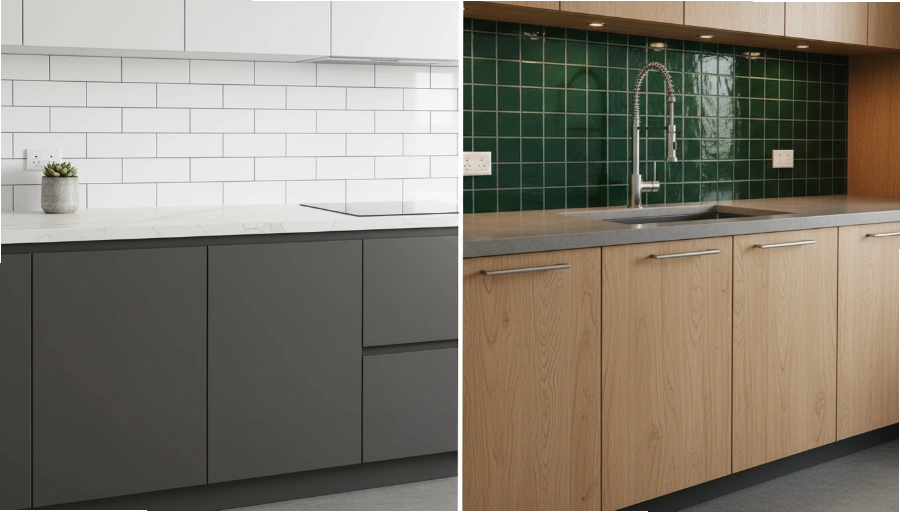
When clients ask me this question, I tell them they are asking the wrong thing. It is not about which material is more "high-end." It is about which material is right for your life. From a very practical standpoint, wood cabinets sell a feeling, while stainless steel cabinets solve problems. Wood feels like home. It is warm, familiar, and perfect for families who don’t cook frequently and prioritize a cozy atmosphere. But wood is an "emotional" material. It expands and contracts with humidity, absorbs odors, and fears water. After three to five years, I often see wood cabinets start to fail quietly. Doors warp, edge banding peels, and a musty smell develops. These are difficult problems to fix. Stainless steel is the complete opposite. It may not feel as cozy, but it is incredibly reliable. Water, steam, grease, pests, and mold are no match for it. The real barrier is psychological; many people think it looks "cold." But that is a design challenge, not a material flaw.
What are the disadvantages of stainless steel kitchen cabinets?
You love the idea of stainless steel’s durability and clean look. But you worry your kitchen will feel cold, show every fingerprint, and look more like a restaurant than a home.
The primary disadvantages of stainless steel cabinets are their potential for a cold, industrial aesthetic and their susceptibility to showing fingerprints, smudges, and scratches. They can also be more expensive upfront than some wood options and may dent from a heavy impact if not properly constructed.
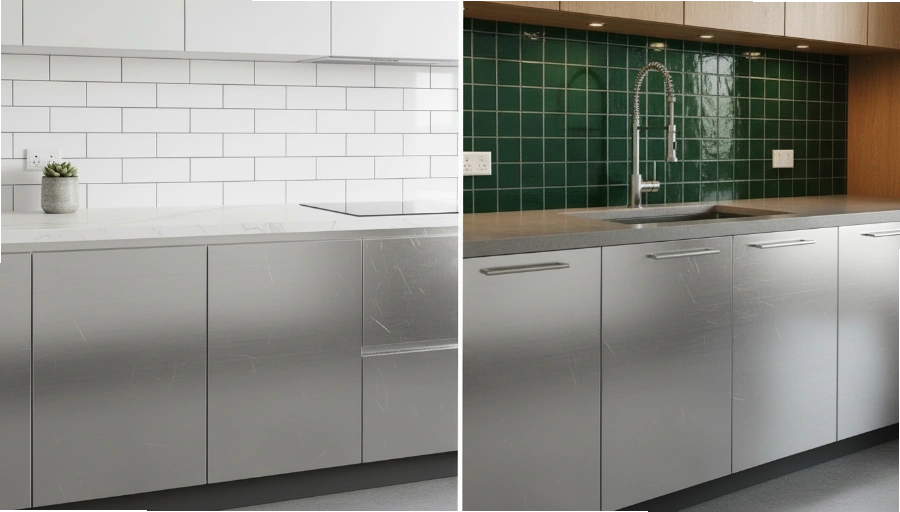
As a supply chain manager for Veyra Luxe, I help clients navigate these exact concerns. The "cold" feeling is the most common objection I hear. But modern design has solved this problem. Pairing stainless steel with warm wood floors, a colorful backsplash, or natural stone countertops can create a balanced, inviting space. The fingerprint issue is also manageable. Many manufacturers now offer brushed or matte finishes with an anti-fingerprint coating that significantly reduces smudges. Dents are a valid concern, but they are preventable. The key is the gauge of the steel and the core material. High-quality cabinets use a thicker gauge steel wrapped around a solid core, making them highly resistant to dents from everyday use.
Managing the Downsides of Stainless Steel
| Disadvantage | Professional Solution | Explanation |
|---|---|---|
| "Cold" Aesthetic | Mix with warm materials | Use wood flooring, warm lighting, and textured backsplashes to create balance and warmth. |
| Fingerprints & Smudges1 | Choose a coated finish | Opt for a brushed or matte finish with a modern anti-fingerprint coating. |
| Dents & Scratches | Specify a thicker gauge | High-quality cabinets use 18-gauge steel or lower, often with a solid core, making them very durable. |
| Noise | Use soft-close hardware | Quality hinges and drawer slides from brands like Blum or Hettich ensure quiet operation. |
What are the highest quality kitchen cabinets?
You want to invest in kitchen cabinets that will last a lifetime. With so many options, you are unsure what materials and construction methods truly define the highest level of quality.
The highest quality kitchen cabinets are defined by superior construction and premium materials, regardless of whether they are wood or metal. For wood, this means solid hardwood frames with plywood boxes and durable finishes. For metal, it means heavy-gauge stainless steel with a solid core and welded seams.
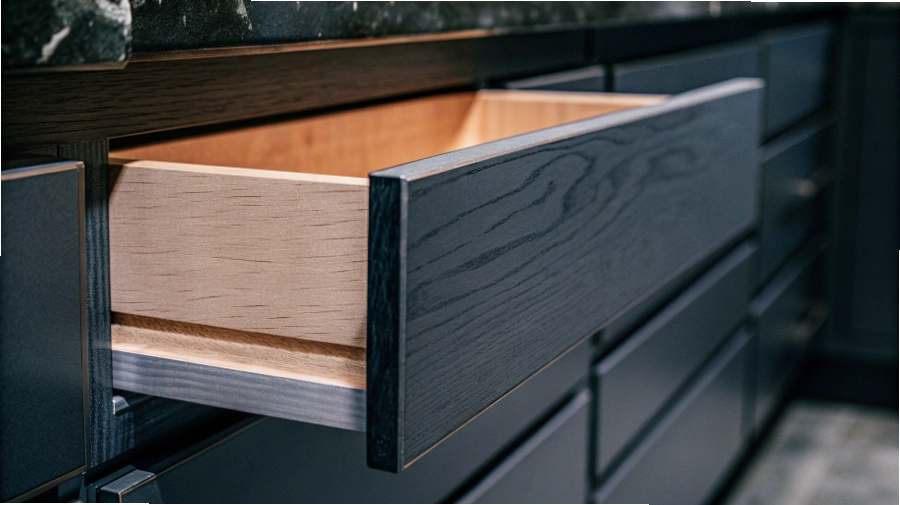
I always tell my commercial clients like Michael that quality is in the details, not just the surface material. A cheap particle board cabinet with a beautiful wood veneer is not a quality cabinet. It will fail. High-quality wood cabinets typically feature solid wood face frames and door frames, with cabinet boxes made from furniture-grade plywood2. This construction prevents warping and ensures long-term structural integrity. The joinery is also critical; look for dovetail joints on drawers instead of staples.
For stainless steel, quality comes from the grade and gauge of the steel and how it is assembled. 304-grade stainless steel 3 is the standard for food-safe, corrosion-resistant applications. The gauge, or thickness, is crucial for durability; 18-gauge is a good standard for residential use. The best stainless steel cabinets have fully welded seams, which eliminates gaps where dirt can collect, and a solid core material like honeycomb aluminum to prevent a hollow sound and increase dent resistance. In both cases, high-quality hardware is non-negotiable.
Are metal kitchen cabinets better than wood?
You need a definitive answer to settle the debate. You are managing a project and need to choose the material that offers the best long-term value and performance for your specific needs.
Metal cabinets are better than wood in environments with high humidity, heavy use, or strict hygiene requirements. They are impervious to water, pests, and mold, and will not warp or degrade over time. Wood is better for achieving a traditional, warm aesthetic in a stable, low-use environment.
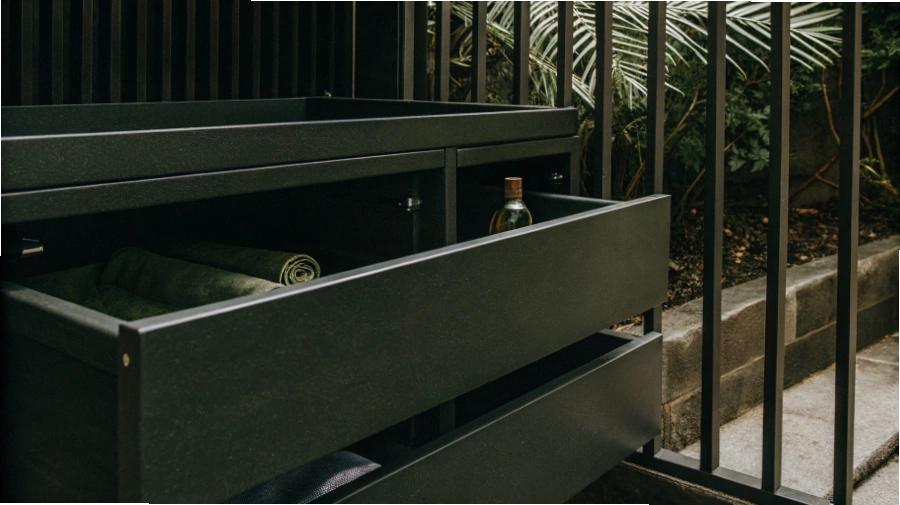
From a risk management perspective, metal is objectively superior. I recently sourced cabinets for a series of luxury rental properties in a coastal area. The developer was initially set on wood for its classic appeal. I explained that in a humid, high-turnover rental environment, wood was a high-risk choice. The constant moisture would inevitably lead to warping and peeling, and tenants might not be careful about water spills. We switched the specification to stainless steel cabinets3 with a wood-grain PVD finish. This gave them the warm look of wood with the bulletproof durability of steel. They solved the problem before it even started. For any project where long-term durability4 and low maintenance are the top priorities—like a busy family kitchen, a rental property, or in a humid climate—metal is simply the safer, smarter investment. It manages risk.
Are wood cabinets coming back in 2025?
You want your kitchen to be stylish and current, but you also worry about trends fading. You have heard that wood cabinets are making a comeback and want to know if they are a safe choice for a 2025 project.
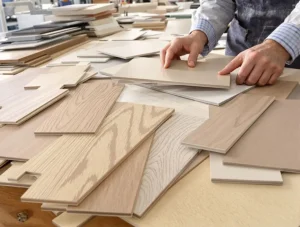
Yes, wood cabinets are definitely coming back in 2025, but with a modern twist. The trend is moving away from the dark, heavy woods of the past and toward lighter woods like white oak, ash, and maple. These are often used in simple, flat-panel designs for a clean, organic look.
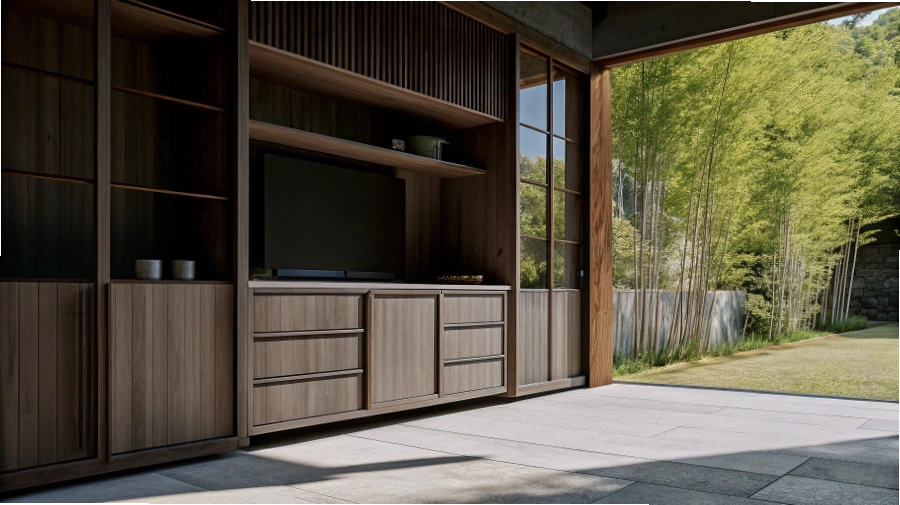
The return of wood is part of a larger design movement toward natural materials and textures. After years of all-white and gray kitchens, people are craving warmth and character. However, the new wood trend5 is very different from what we saw 20 years ago. Today’s popular styles emphasize the natural beauty of the wood grain. Designs are clean and minimalist, often featuring flat-panel or slim shaker doors. We are also seeing a lot of mixed-material designs, where wood is paired with other finishes like matte lacquer or metal to create a sophisticated, layered look. If you choose to go with wood, selecting one of these lighter tones in a simple door style is a great way to ensure your kitchen feels both current and timeless. It is a safe and stylish choice that will hold its value.
Conclusion
The best choice is not about what looks good today, but about what you want to be dealing with in ten years. Wood cabinets satisfy an emotional need for warmth, while stainless steel manages long-term risk.
-
Explore this link to discover effective coatings that keep your stainless steel surfaces looking pristine and reduce maintenance. ↩
-
Exploring furniture-grade plywood will help you appreciate its role in creating long-lasting, high-quality cabinetry. ↩
-
Explore the advantages of stainless steel cabinets, especially in humid areas, to understand their durability and low maintenance benefits. ↩ ↩
-
Learn how prioritizing long-term durability can influence material choices in construction, ensuring better performance and lower maintenance. ↩
-
This link will offer a comprehensive overview of the latest wood trends, helping you stay updated and inspired for your kitchen renovation. ↩