What is the difference between custom-made and tailor-made?
You’re briefing a supplier and use the terms "custom-made" and "tailor-made" interchangeably. You assume they mean the same thing, but this confusion can lead to incorrect quotes and mismatched expectations for your project.
Custom-made means modifying an existing product by changing its size, material, or color. Tailor-made means creating a completely new and unique product from scratch, designed specifically for your space and needs. One adapts, the other creates.
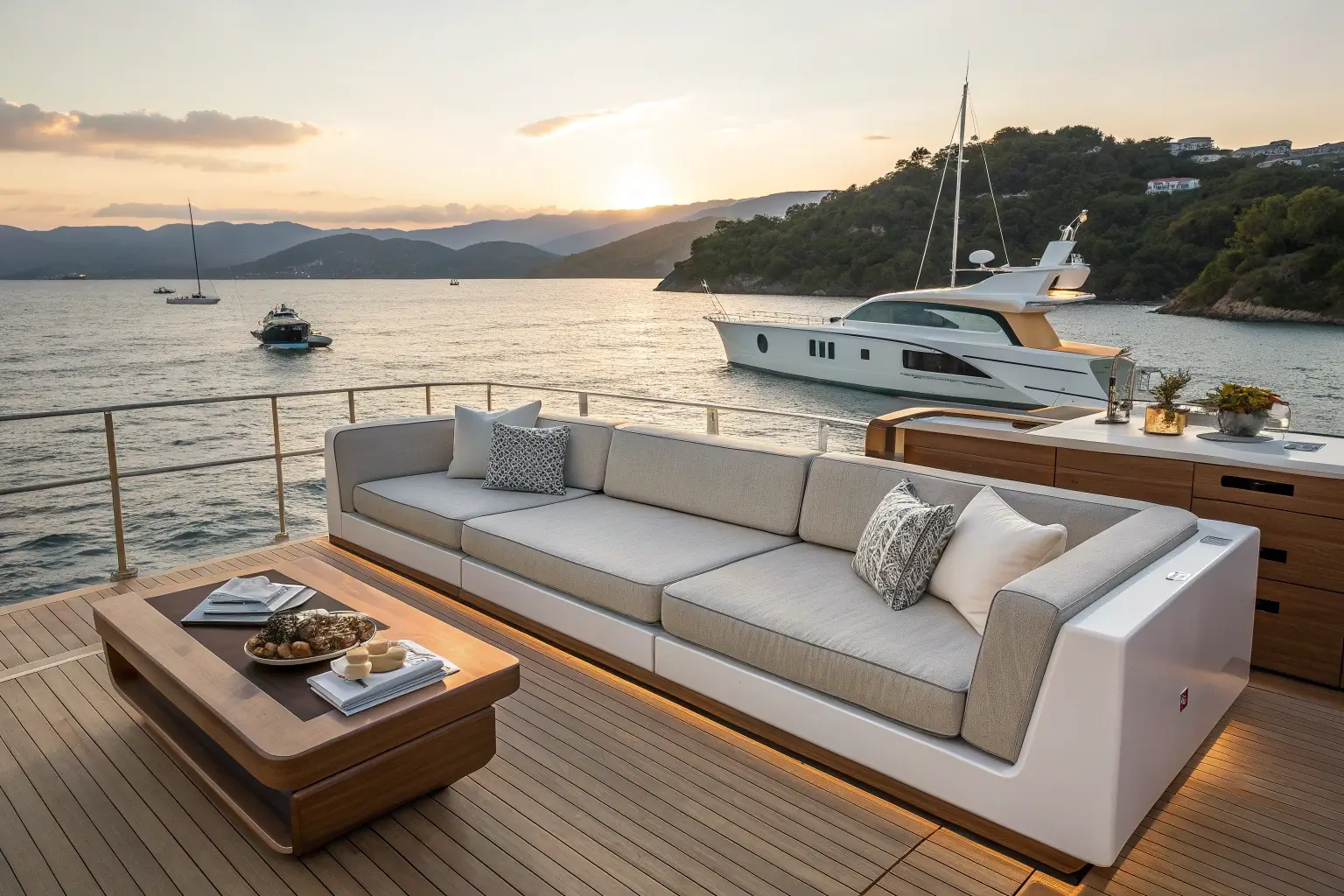
In my work managing global supply chains for Veyra Luxe, I see this mix-up all the time. It’s a small detail that has a huge impact. Many factories advertise "custom-made" services, but what they really mean is that they can adjust the dimensions of a product from their catalog. True tailor-made capability is much rarer. It requires a factory to have a dedicated design team, 3D modeling experts, and the ability to create new molds and prototypes. Understanding this difference is key to finding the right manufacturing partner and ensuring your project’s vision is realized.
What is the difference between custom and tailor?
You need to describe your project needs accurately, but the subtle difference between "custom" and "tailor" is unclear. This ambiguity can cause suppliers to misunderstand the complexity and uniqueness of your request.
"Custom" starts with a template and modifies it. It answers the question, "How can we make our product fit your space?" "Tailor" starts with a blank page and creates a new solution. It answers the question, "What is the perfect solution for your space?"
As a commercial buyer like Michael, this distinction is critical when you’re sourcing. A "custom-made" request is about efficiency and adaptation. You’re leveraging a factory’s existing production line and simply tweaking the output. For example, you need 100 hotel wardrobes, but the standard height of 2200mm is too tall for your rooms. You ask the factory to produce them at 2100mm. This is a custom-made job.
A "tailor-made" request is about originality and problem-solving. It requires a factory to engage in research and development. Imagine you’re working on a luxury villa and need a walk-in closet built into an irregular, curved wall. There’s no existing template for this. The factory has to design, engineer, and prototype a solution from zero. That is a tailor-made job, and it demands a much higher level of expertise.
Key Differences at a Glance
| Aspect | Custom-Made1 | Tailor-Made2 |
|---|---|---|
| Starting Point | An existing design or product | A blank page or a unique concept |
| Process | Modification and adaptation | Design, engineering, prototyping |
| Factory Capability | Standard production lines | R&D team, 3D modeling, prototyping |
| Goal | Fit and function | Uniqueness and perfect integration |
Is it custom-made or tailor-made?
You are preparing a Request for Quotation (RFQ) and need to use the right term. Choosing the wrong one could send your inquiry to a factory that isn’t equipped for the job, wasting valuable time.
Use "custom-made" when you are adapting a proven design to meet specific project requirements like size or finish. Use "tailor-made" when you need to create a one-of-a-kind piece that fulfills a unique functional or aesthetic goal and does not have a pre-existing template.
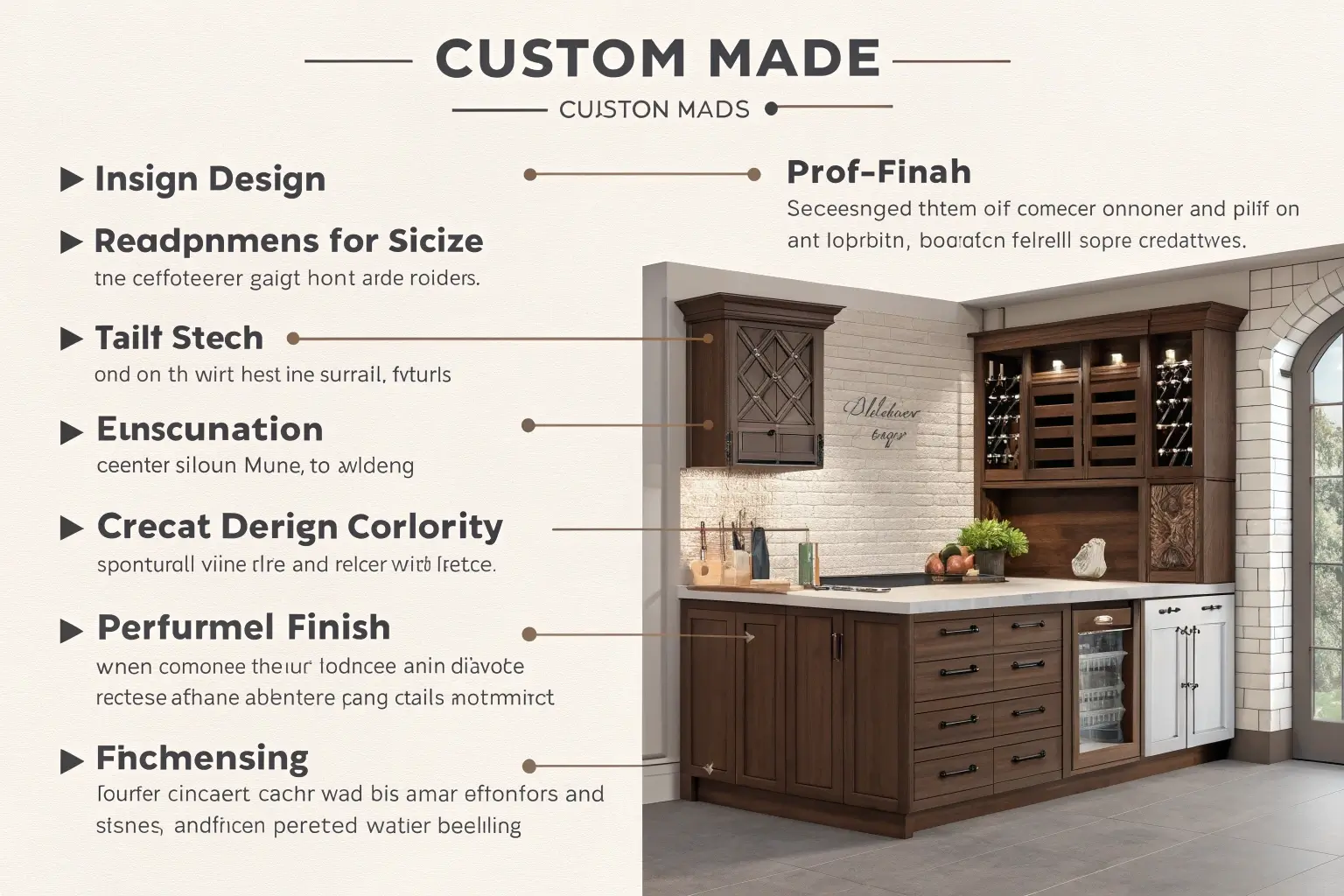
The term you should use depends entirely on your project’s end goal. If you are a bulk purchaser for a hotel chain, most of your needs will fall under "custom-made1." You need functional, cost-effective furniture that fits specific room layouts. Efficiency and reliability are your top priorities. A factory that can quickly adjust its standard models is your ideal partner.
However, if you are a developer or designer working on a high-end residential project or a flagship commercial space, you need to create a unique identity. Your client expects differentiation. In this case, you need "tailor-made3" solutions. You are not just filling a space; you are creating an experience. You need a partner who can collaborate on design and engineer a truly bespoke piece. When I write an RFQ, I am very specific. I will state clearly: "This is a custom-made4 request: adjust existing design #123 to new dimensions." Or, "This is a tailor-made3 request: develop a unique reception desk based on the attached concept sketches." This clarity ensures I connect with the right suppliers from the start.
What is tailor-made furniture?
You’ve heard the term "tailor-made furniture" but are not entirely sure what it involves. You need to understand what defines it to know if it’s the right choice for your high-stakes projects.
Tailor-made furniture is any piece that is designed and built from scratch for a specific client, space, or function. It does not rely on existing models or catalogs. The process involves collaborative design, unique engineering, and the creation of a one-of-a-kind item.
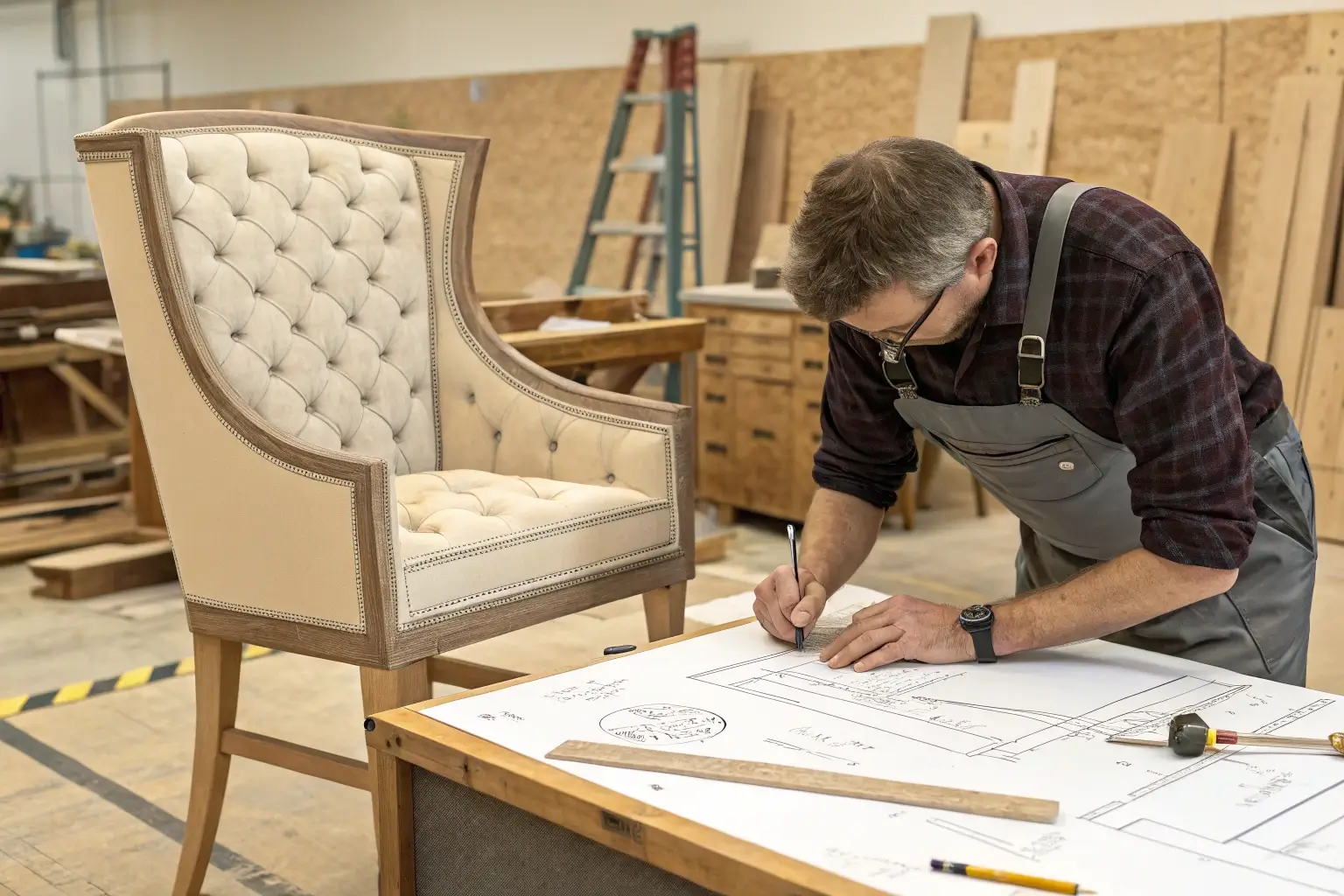
Think of it like getting a suit made on Savile Row versus buying one off the rack and having the sleeves shortened. One is an adjustment; the other is a creation. When I source tailor-made furniture5 for a luxury hotel lobby, the process is intensive. It starts with the designer’s concept sketch. My team then works with the factory’s engineers to translate that sketch into a technical 3D model6. We analyze the structure, materials, and joinery to ensure it is not only beautiful but also stable and durable enough for a commercial environment.
Next comes prototyping. The factory creates a full-scale mock-up for the client to review. We check every detail, from the finish quality to the feel of the hardware. Only after the prototype is approved does full production begin. This process is necessary for pieces that must be perfect—a statement reception desk, a complex media wall in a penthouse, or integrated seating for an art gallery. It is a partnership between the designer’s vision and the manufacturer’s technical expertise.
What is an example of tailor-made?
You understand the concept in theory, but you need a concrete example. A real-world case study will help you grasp the practical application and value of a tailor-made solution.
A perfect example of a tailor-made project is a curved, floor-to-ceiling bookcase designed to fit perfectly within the circular wall of a library. There is no standard product for this, so it must be designed, engineered, and built from scratch as a unique solution.
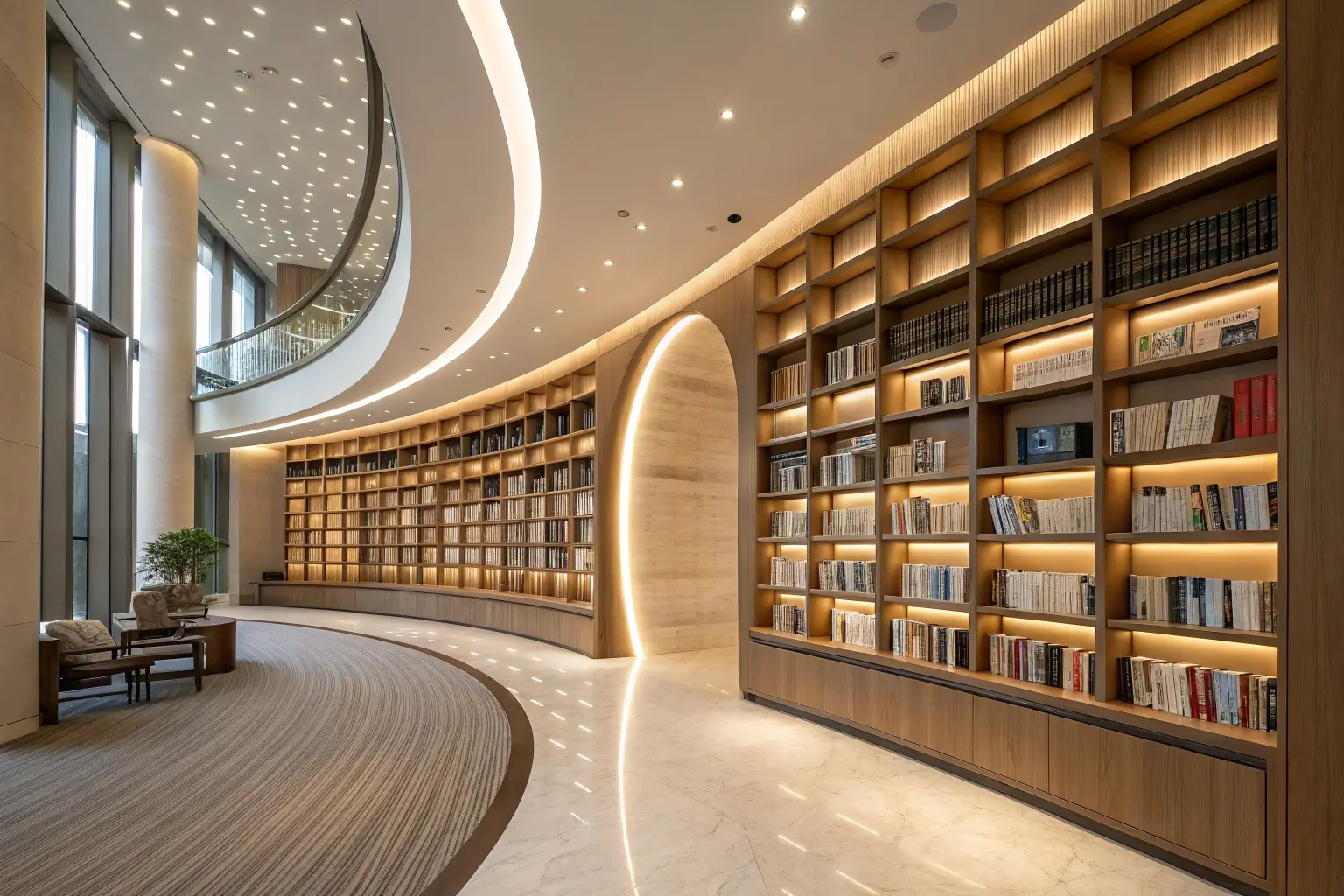
I recently worked on a project for a luxury residence that had a two-story library with a large, curved wall. The architect’s vision was a seamless, built-in bookcase that followed the exact radius of the wall. This was a classic tailor-made7 challenge. We could not simply bend straight shelves.
The process began with a precise 3D laser scan8 of the room to capture the exact curvature and dimensions. Our engineering team then used this data to design the entire structure, breaking it down into manageable sections for fabrication and transport. The factory’s R&D department had to create custom jigs and molds to bend the plywood to the precise radius without compromising its strength. Each shelf had to be individually cut and finished. The installation required a specialized team to assemble the sections on-site, making it look like a single, monolithic piece. This project was not about modifying a product; it was about inventing a solution. That is the essence of tailor-made7.
Conclusion
Custom-made is a modified version of an existing product, ideal for speed and efficiency. Tailor-made is an exclusive version built from scratch, essential for creating unique value and differentiation.
-
Explore the advantages of Custom-Made products to understand how they can meet specific needs effectively. ↩ ↩
-
Discover the unique aspects of Tailor-Made solutions and how they offer personalized experiences. ↩
-
Discover how tailor-made solutions can elevate design and create unique experiences in luxury spaces. ↩ ↩
-
Explore this link to understand how custom-made furniture can enhance hotel efficiency and guest experience. ↩
-
Explore how tailor-made furniture enhances luxury hotel aesthetics and functionality, ensuring a unique guest experience. ↩
-
Learn about the process of creating technical 3D models, crucial for translating design concepts into reality. ↩
-
Explore this link to understand the concept of tailor-made solutions in design, which is crucial for unique projects like luxury residences. ↩ ↩
-
Discover how 3D laser scanning technology enhances precision in architectural projects, ensuring accuracy in complex designs. ↩