What is the difference between laminate and lacquer cabinets?
You want a high-end kitchen, but the terms "laminate" and "lacquer" are confusing. One seems durable, the other beautiful, and choosing wrong could mean a kitchen that scratches easily or looks cheap.
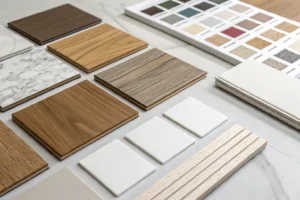
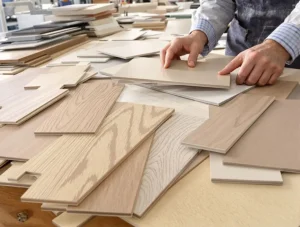
Laminate is a durable, multi-layered sheet bonded to a core, built for toughness and long-term use. Lacquer is a liquid paint finish applied in many layers, built for a seamless, high-end visual effect. One is a durable solution; the other is a beauty solution.
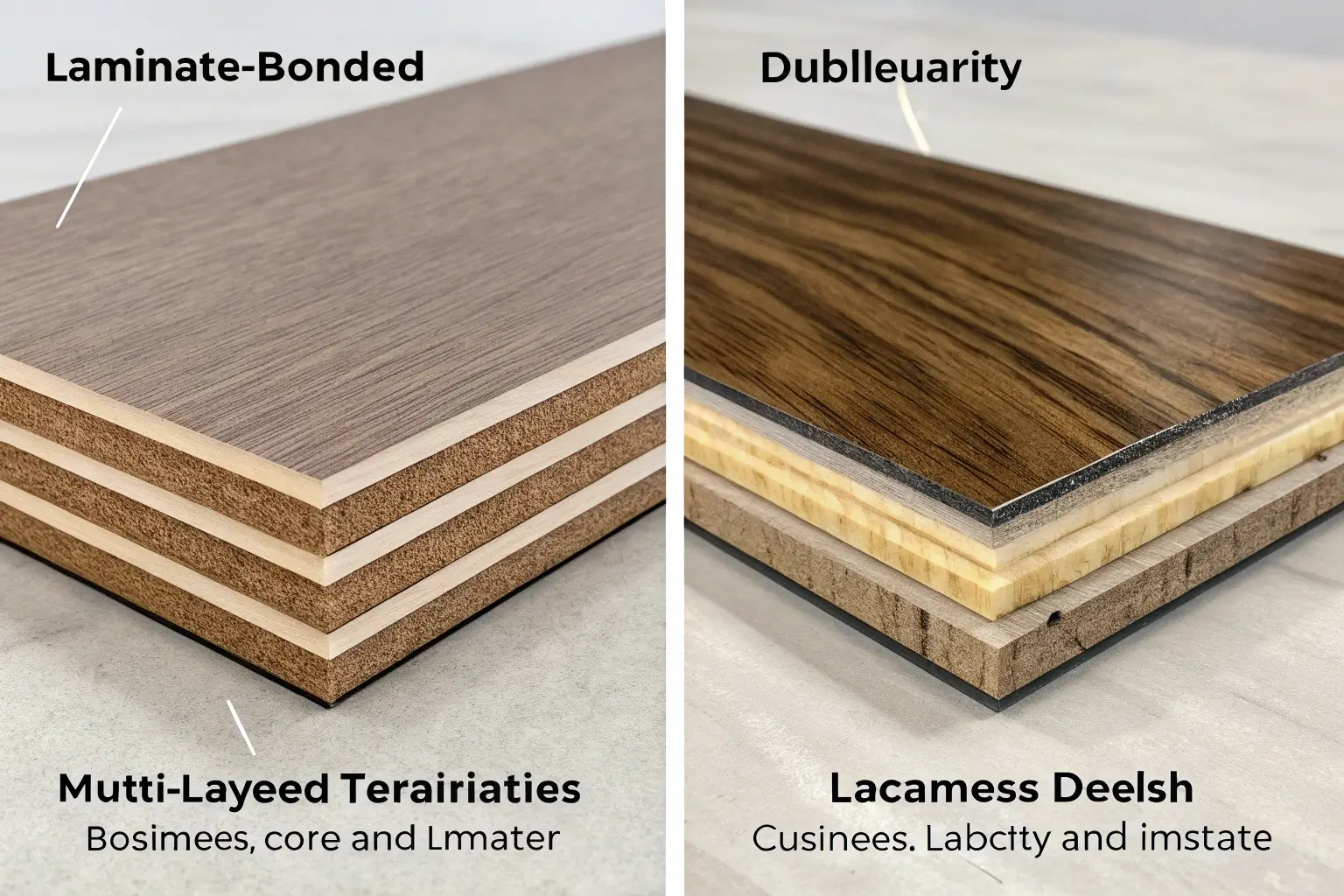
As the Foreign Trade Manager for Veyra Luxe, I often hear clients say, "I want something premium, so I should choose lacquer, right?" But the real question they need to ask themselves is whether they want a cabinet that is beautiful to look at or one that is easy to live with. The core difference is simple: Laminate wins with the material’s inherent strength, while lacquer wins with the beauty of its layered, handcrafted finish. One is tough; the other is beautiful.
What is the difference between laminate and lacquer?
You’re comparing two modern cabinet finishes that look sleek, but you don’t understand the fundamental difference in how they are made. This lack of knowledge makes it hard to justify the price difference and choose the right one for your project.
Laminate is a pre-made, hard sheet of material that is glued onto a cabinet core. Lacquer is a liquid paint that is sprayed onto the core in multiple coats, creating a smooth, seamless surface. Laminate is about industrial durability; lacquer is about artisanal finish.
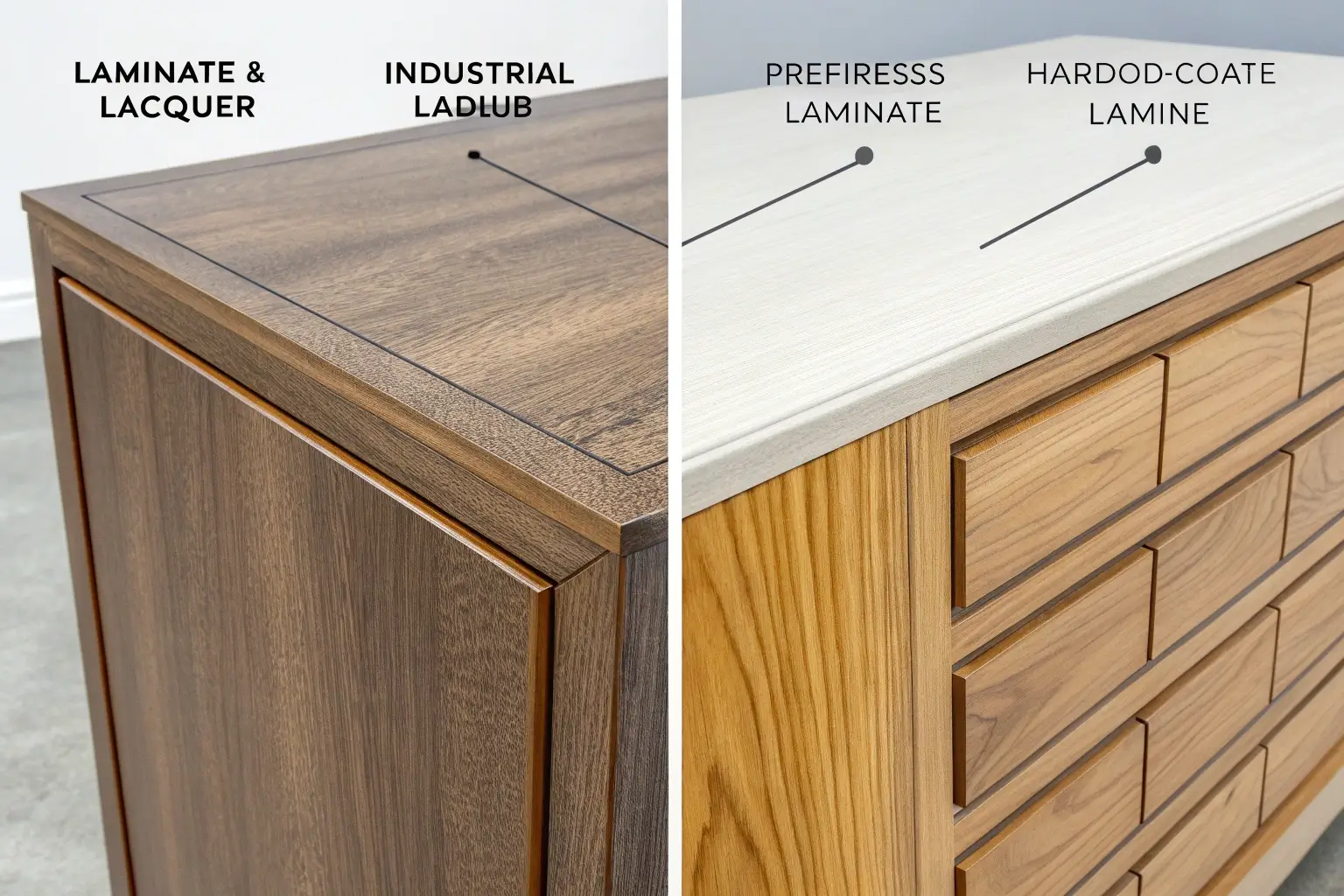
Think of it this way: a laminate cabinet is wearing a suit of armor, while a lacquer cabinet is wearing a perfectly tailored tuxedo. The armor (laminate) is made separately and then fitted. It’s incredibly tough, designed to withstand battle in a busy kitchen. It resists scratches, impacts, and stains. The tuxedo (lacquer) is built up layer by layer directly on the cabinet door. It’s perfectly seamless and visually stunning, but you wouldn’t want to wear it into a fight. It requires more care. Understanding this distinction is key. Laminate is a material chosen for its performance; lacquer is a finish chosen for its appearance.
Core Differences: Material vs. Process
| Feature | Laminate (HPL)1 | Lacquer (Paint)2 |
|---|---|---|
| Origin | A separate, pre-made sheet | A liquid coating applied in layers |
| Strength Source | Inherent material toughness | The quality and number of paint layers |
| Appearance | Visible edge seams | Totally seamless, monolithic look |
| Core Value | Durability and resistance | Visual perfection and color purity |
What is the difference between lacquer and melamine?
You see both lacquer and melamine offered as smooth, solid-color finishes. From a distance, they can look similar, but their prices are worlds apart. You need to know if lacquer’s high cost is justified compared to the budget-friendly melamine.
Lacquer is a thick, liquid paint finish applied in multiple layers for a seamless, premium look. Melamine is a very thin sheet of resin-coated paper that is thermally fused to a core. Lacquer offers visual depth and a seamless surface, while melamine offers a durable, cost-effective finish with visible edge seams.
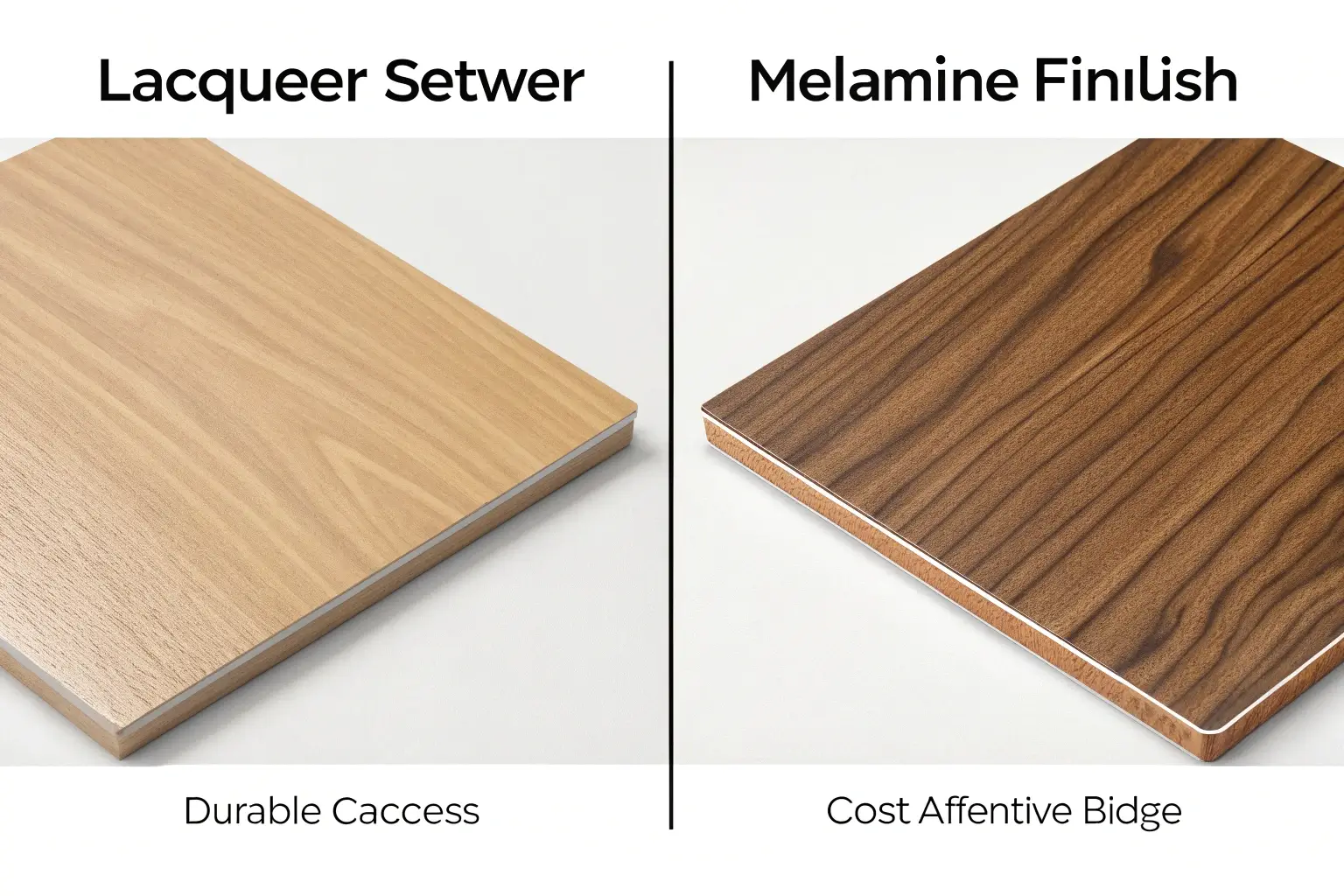
As a commercial furniture buyer like Michael would know, this is a classic value engineering question. Melamine3 is the workhorse of the industry. It’s a single, pre-printed paper layer pressed onto a particleboard core. It’s fast to produce, cost-effective, and surprisingly durable for its price. Its weakness is the edge, which must be covered with edge banding. Lacquer4 is a completely different animal. It’s a craft-intensive process. A smooth MDF board is sprayed with multiple coats of primer and paint, with sanding between each layer. This builds up a thick, smooth, and seamless finish that wraps around the edges. So, while a white melamine and a white lacquer door might both be white, the lacquer door has a depth, smoothness, and seamless quality that melamine cannot replicate. You are paying for the labor and craftsmanship.
Is lacquer good for kitchen cabinets?
You’ve fallen in love with the flawless, mirror-like finish of lacquer cabinets in a design magazine. But you worry that this showroom beauty will quickly turn into a landscape of scratches, chips, and fingerprints in your busy family kitchen.
Lacquer is a fantastic choice for creating a visually stunning, high-end kitchen, but it is not the most durable option. It is susceptible to scratches and chips and requires careful maintenance, making it best for lighter-use kitchens or for homeowners who prioritize aesthetics above all else.
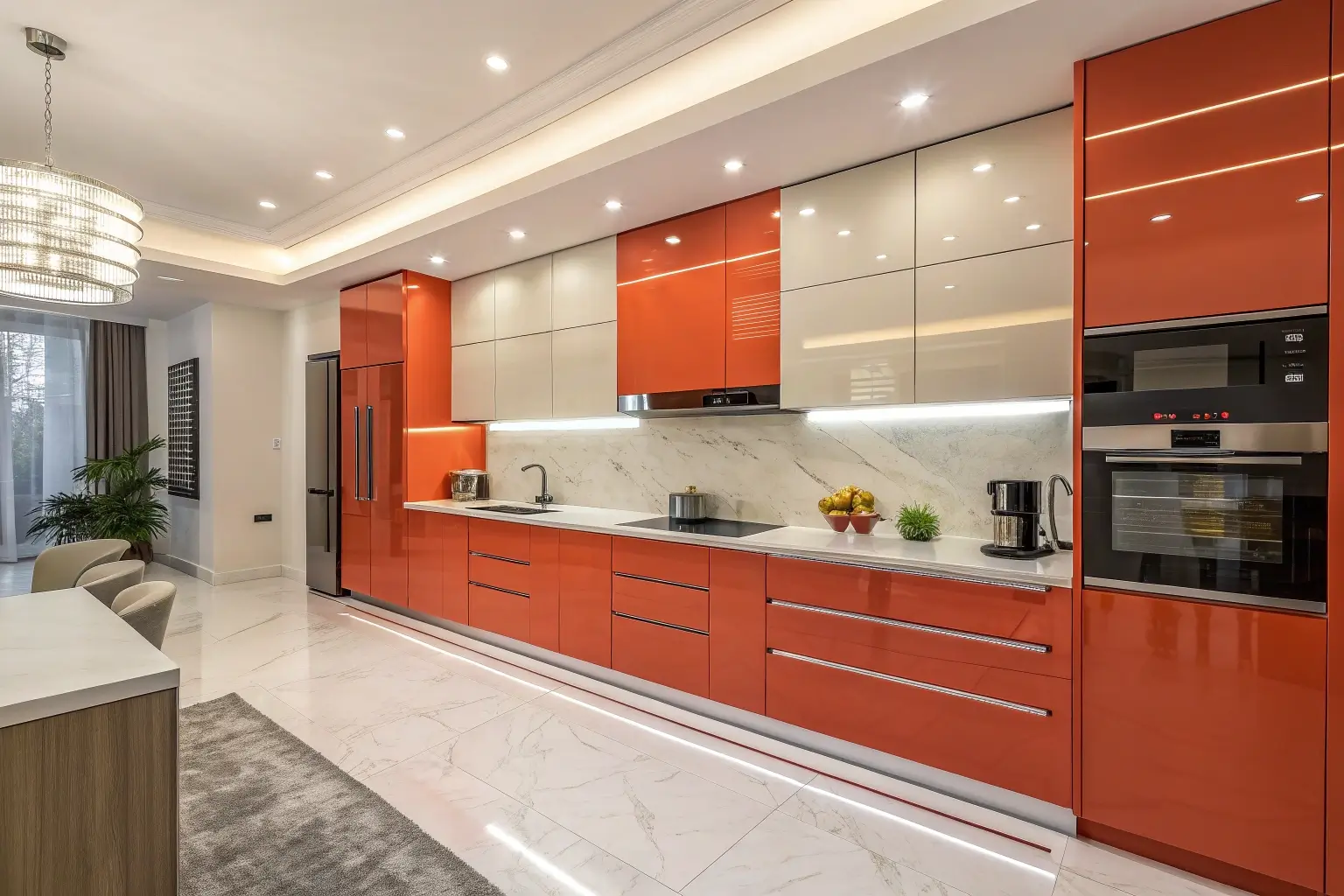
There’s a blunt truth I often share with clients: the most beautiful day for a lacquer cabinet5 is the day it’s installed. After that, real life happens. A dropped pan, a belt buckle rubbing against a door, or even aggressive cleaning can cause permanent damage. High-gloss versions are notorious for showing every single fingerprint. While matte lacquer6 is better at hiding smudges, it’s still a painted surface that can be chipped. Repairing it is also incredibly difficult; getting a perfect color and sheen match for a touch-up is nearly impossible. This doesn’t mean it’s a bad choice. For a show home, a design-focused project, or a homeowner who is very careful, lacquer delivers a visual punch that no other finish can match. You just have to be honest about your lifestyle.
What type of finish is best for kitchen cabinets?
Choosing a cabinet finish is a huge commitment, and you’re paralyzed by the options. You want a finish that is beautiful, long-lasting, and provides the best value. Making the wrong choice means facing years of regret and potential replacement costs.
The "best" finish is the one that best suits your lifestyle and budget. For maximum durability and worry-free maintenance in a high-use environment, high-pressure laminate (HPL) is the top choice. For the ultimate in visual luxury and design customization, a high-quality lacquer finish is best.
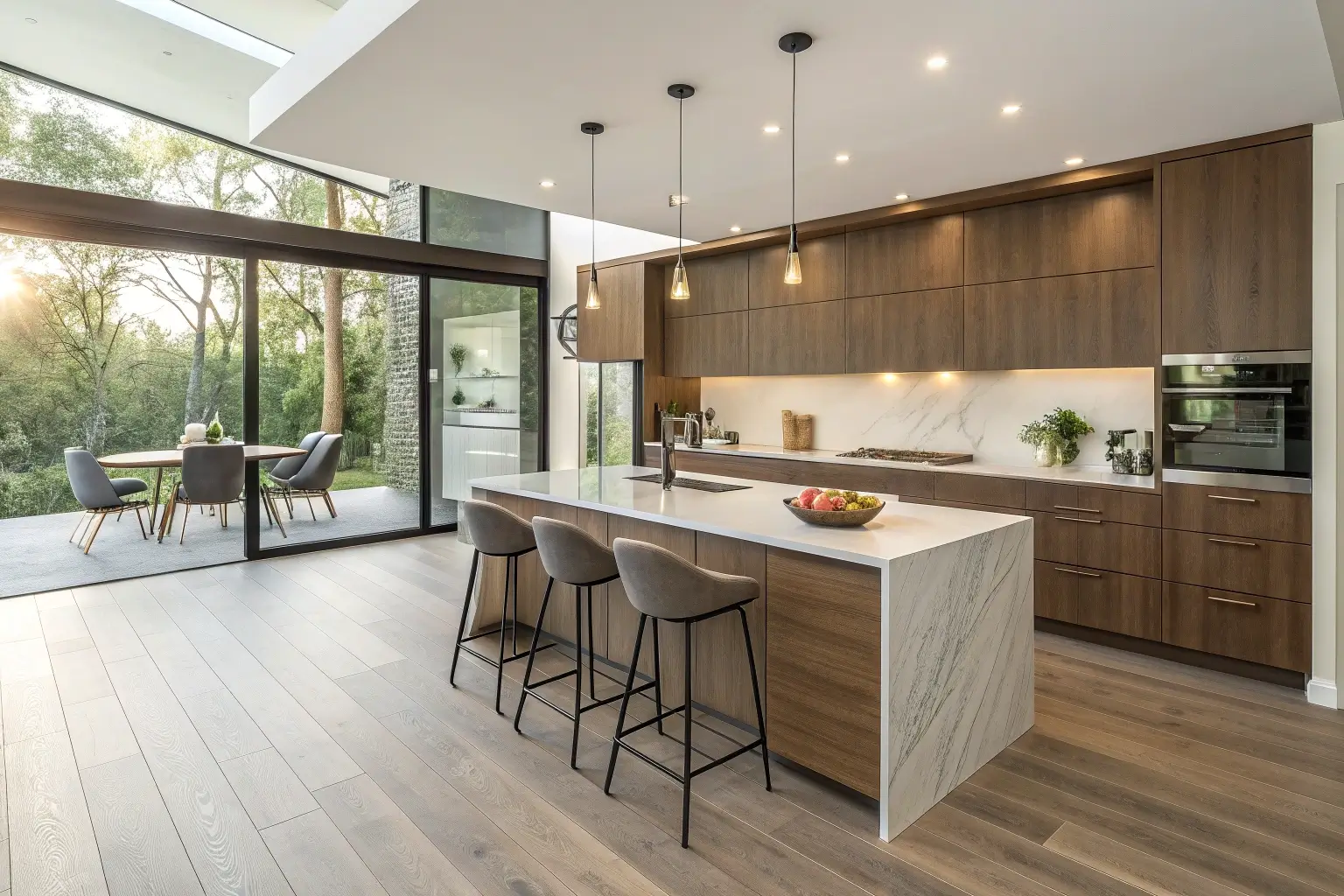
There is no single "best" finish, only the best finish for you. Here is the simple formula I use to help clients decide. If your top priorities are longevity, a low repair rate, and daily peace of mind, you should choose laminate7. The first day it’s installed, it might not look as breathtaking as lacquer8, but in five years, you will be thankful for its resilience. If your top priorities are design impact, a "wow" factor, and achieving a specific aesthetic for a showpiece kitchen, then you should consider lacquer8.
Many mature projects use a smart, hybrid approach. They use durable and cost-effective melamine or laminate7 for the cabinet boxes—the internal structure that takes the most abuse. Then, they use a beautiful lacquer8 finish just for the cabinet doors. This gives you the best of both worlds: a structure that is built to last and a visual that makes a statement, all while keeping costs and risks under control.
Conclusion
Laminate’s value is revealed through years of use, while lacquer’s value is seen at first glance. Neither is better; they simply serve different purposes for your life and your project.
-
Explore the advantages of Laminate (HPL) for durable and stylish furniture solutions. ↩
-
Discover how Lacquer (Paint) provides a flawless, monolithic look for your projects. ↩
-
Explore this link to understand why melamine is favored for its cost-effectiveness and durability in the furniture industry. ↩
-
Discover the intricate process of lacquer application and its superior finish quality compared to other materials. ↩
-
Explore this link to understand the pros and cons of lacquer cabinets, helping you make an informed decision for your home. ↩
-
Discover the differences between matte lacquer and high-gloss finishes to choose the best option for your design needs. ↩
-
Explore the advantages of laminate finishes, including durability and cost-effectiveness, to make an informed choice for your kitchen. ↩ ↩
-
Discover the aesthetic appeal and design impact of lacquer finishes, perfect for creating a stunning kitchen centerpiece. ↩ ↩ ↩