A beautiful kitchen means nothing if it doesn’t work well in daily life.
A functional kitchen layout focuses on how people actually move, cook, store, and clean—making the space efficient, comfortable, and easy to use.
Whether you’re designing a new kitchen or planning a renovation, this guide explains how to design a functional kitchen layout step by step, with practical principles used by designers and manufacturers.
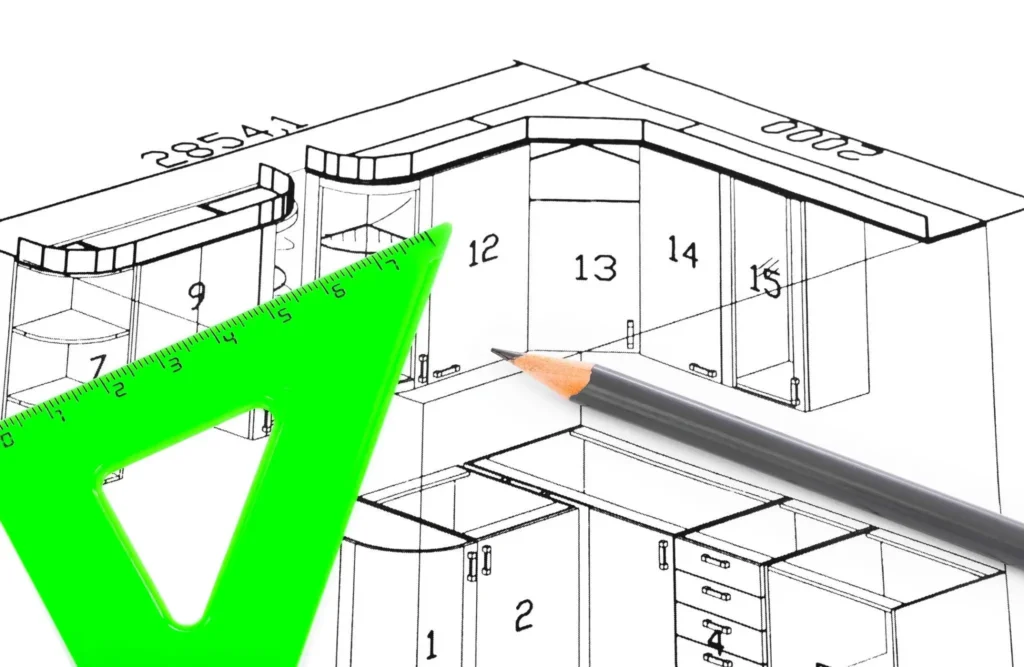
1. Understand How the Kitchen Is Used
Before choosing any layout, start with usage analysis.
Ask these questions:
- How many people cook at the same time?
- Is the kitchen used daily or occasionally?
- Do you cook simple meals or complex dishes?
- Is the kitchen open to the living area?
A functional layout is always based on real habits, not just visual trends.
2. Define the Three Core Kitchen Zones
Every functional kitchen is built around three main zones:
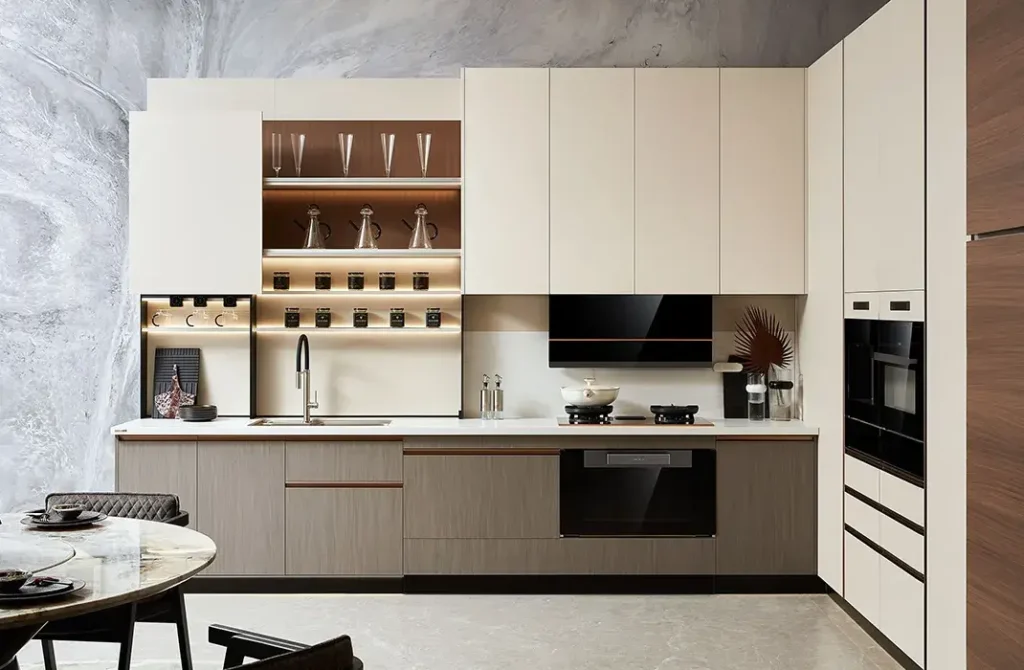
🔹 Storage Zone
- Refrigerator
- Pantry
- Food and utensil storage
🔹 Preparation Zone
- Countertop workspace
- Sink (often part of prep)
- Small appliances
🔹 Cooking Zone
- Cooktop or range
- Oven
- Microwave
These zones should be logically connected, minimizing unnecessary movement.
3. Apply the Kitchen Work Triangle (When Appropriate)
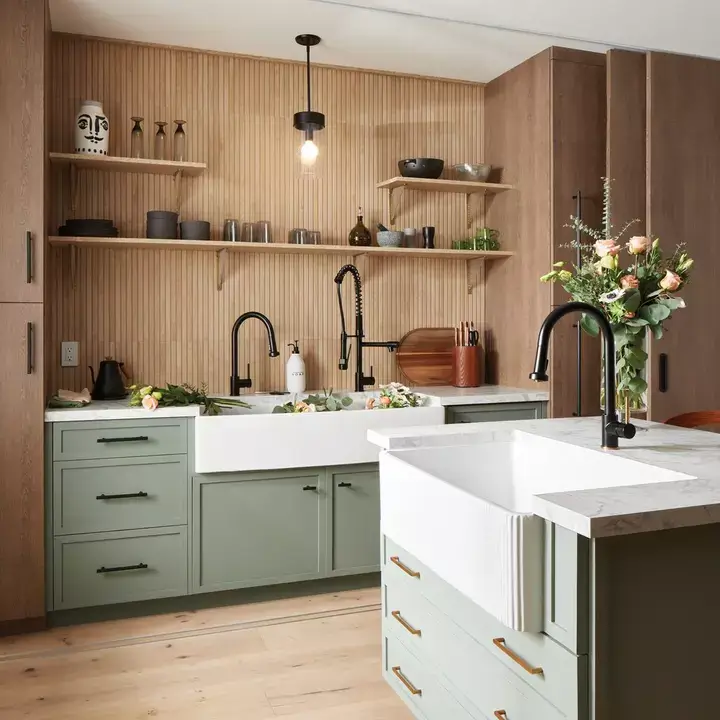
The kitchen work triangle connects:
- Sink
- Refrigerator
- Cooktop
Basic guidelines:
- Each side: approx. 1.2–2.7 meters
- Total perimeter: 4–8 meters
- No obstacles blocking the paths
📌 Note:
The work triangle works best in L-shaped, U-shaped, and galley kitchens.
For large or modern kitchens, zoned layouts often work better than strict triangles.
4. Choose the Right Kitchen Layout Type
One-Wall Kitchen
- All functions on one wall
- Best for small apartments or studios
- Requires careful storage planning
Galley Kitchen
- Two parallel walls
- Highly efficient workflow
- Ideal for narrow spaces
L-Shaped Kitchen
- Flexible and space-efficient
- Works well with open plans
- Easy to add an island
U-Shaped Kitchen
- Maximum storage and countertop space
- Ideal for serious cooking
- Requires sufficient width
Kitchen with Island
- Adds prep space and storage
- Can include seating or appliances
- Needs proper circulation space
5. Plan Comfortable Work Distances
A functional kitchen avoids crowding and bottlenecks.
Key spacing rules:
- Walkway width: 900–1200 mm
- Distance between island and cabinets: 1000–1200 mm
- Two-cook kitchens: allow extra clearance
Proper spacing ensures safety and smooth movement during cooking.
6. Optimize Countertop and Storage Design
Countertop planning:
- Place the largest prep area between sink and cooktop
- Avoid cutting boards near corners
- Ensure enough landing space near appliances
Storage planning:
- Frequently used items at waist level
- Heavy items in lower cabinets
- Use drawers instead of deep shelves when possible
Smart internal storage systems greatly improve functionality.
7. Integrate Appliances Thoughtfully
Appliances should support workflow, not disrupt it.
Practical tips:
- Refrigerator near the entrance for easy access
- Dishwasher close to the sink
- Oven at ergonomic height
- Avoid placing cooktop too close to walls or tall cabinets
Built-in appliances help maintain a clean and organized layout.
8. Don’t Ignore Lighting and Power Planning
Good lighting is essential for a functional kitchen.
Recommended lighting layers:
- Ambient lighting for the whole space
- Task lighting under cabinets
- Accent lighting for atmosphere
Also plan enough power outlets for:
- Small appliances
- Charging devices
- Future upgrades
9. Balance Function and Aesthetics
A functional kitchen doesn’t mean sacrificing style.
Modern kitchen design combines:
- Efficient layout
- Durable materials
- Clean lines and cohesive finishes
When layout, materials, and storage work together, the kitchen becomes both practical and visually pleasing.
10. Common Kitchen Layout Mistakes to Avoid
- Ignoring workflow and focusing only on appearance
- Insufficient countertop space
- Poor storage planning
- Inadequate lighting
- Overcrowded islands
Avoiding these mistakes saves time, money, and frustration.
Final Thoughts
Designing a functional kitchen layout is about how the space works every day, not just how it looks in photos.
By focusing on:
- Usage habits
- Logical zoning
- Proper spacing
- Smart storage
you can create a kitchen that is efficient, comfortable, and built for long-term use.
A well-designed kitchen layout is the foundation of any successful custom kitchen or whole house customization project.