
For real estate developers, bulk furniture procurement is not just a purchasing decision—it is a strategic investment that affects project cost, timeline, buyer appeal, and long-term property value.
Whether furnishing residential apartments, villas, or mixed-use developments, ordering custom furniture in bulk requires careful planning and risk management.
Before placing large-volume orders, here are the key factors developers should consider.
1. Align Furniture Strategy with Project Positioning
Before discussing pricing or production, clarify:
- Is the project mid-range, premium, or luxury?
- Is it for sale, rental, or hospitality use?
- What buyer demographic is targeted?
- What is the expected lifecycle of the property?
Furniture specification must match the project’s market positioning. Over-specifying increases cost unnecessarily, while under-specifying may reduce buyer appeal.
2. Standardization vs Customization Balance
Bulk ordering does not mean identical units in all cases.
Developers should determine:
- Which items can be standardized across units
- Which areas require flexible layouts
- Whether modular systems can improve efficiency
Standardization reduces cost and speeds up production.
Selective customization improves differentiation.
3. Cost Structure & Budget Planning
Bulk custom furniture pricing typically includes:
- Design and engineering
- Raw materials
- Hardware systems
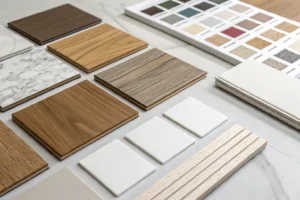
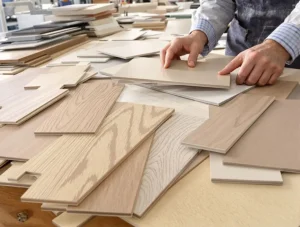
- Surface finishes
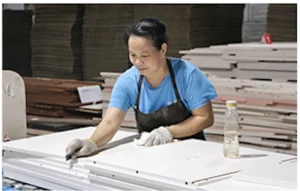
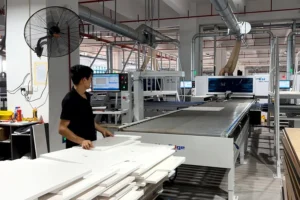
- Production labor
- Packaging
- Logistics
- Installation (if included)
Developers should request a detailed cost breakdown, not just a total price.
Important questions to ask:
- What materials are used internally?
- Are hardware brands specified?
- Are there optional upgrade tiers?
Clear transparency prevents budget overruns later.
4. Production Capacity & Lead Time
Large-scale projects require strict timeline coordination.
Key considerations:
- Factory production capacity
- Simultaneous project handling capability
- Peak-season scheduling
- Buffer time for adjustments
Bulk orders often require 6–10 weeks of production depending on scale.
A realistic timeline is better than overly optimistic promises.
5. Quality Control Systems
When ordering in bulk, even small defects multiply quickly.
Developers should confirm:
- Material inspection procedures
- In-process quality checks
- Final inspection reports
- Sample unit approval before mass production
Approving a full mock-up unit before mass production reduces large-scale risk.
6. Installation Coordination
Furniture delivery must align with construction schedules.
Developers should verify:
- Delivery phasing options
- Floor-by-floor installation plans
- Labeling system for unit identification
- Site readiness requirements
Misalignment between construction completion and furniture delivery can cause costly delays.
7. Logistics & Export Considerations (For Overseas Projects)
If the project involves cross-border procurement:
- Confirm export packaging standards
- Verify container loading plans
- Ensure moisture and damage protection
- Clarify customs documentation support
Bulk shipments must be carefully planned to avoid transit damage.
8. Warranty & After-Sales Support
Large developments require long-term performance assurance.
Before bulk ordering, confirm:
- Warranty duration
- Spare part availability
- Hardware replacement policy
- Maintenance support options
Post-handover issues can affect brand reputation if not handled properly.
9. Risk Management & Contingency Planning
Bulk procurement always carries risk.
Developers should consider:
- Backup production capacity
- Clear contract terms
- Payment milestones linked to inspection stages
- Performance penalties for major delays
Structured agreements protect both parties.
10. Long-Term Partnership Potential
For developers with multiple projects, building a long-term partnership with a reliable manufacturer offers advantages:
- Better pricing over time
- Standardized systems across developments
- Faster design-to-production workflow
- Consistent quality control
A trusted manufacturing partner becomes part of the developer’s supply chain strategy.
Common Mistakes Developers Should Avoid
- Choosing suppliers solely based on lowest price
- Skipping sample approval
- Ignoring installation planning
- Over-customizing every unit
- Underestimating production lead time
Bulk furniture procurement should be treated as a controlled project—not just a purchase order.
Final Thoughts
Custom furniture for real estate developers requires balancing cost efficiency, production control, quality consistency, and project timing.
Before placing bulk orders, developers should evaluate:
- Manufacturing capability
- Quality systems
- Engineering support
- Lead time reliability
- Long-term partnership potential
With proper planning and the right supplier, bulk custom furniture can enhance project value, buyer satisfaction, and long-term return on investment.