Struggling to budget for custom furniture? The price seems to change with every quote, making it impossible to plan your project costs accurately and protect your margins from unexpected expenses.
The cost of custom furniture is not fixed. It is a system of costs that you define with your choices. The final price is determined by five factors: design complexity, material grade, craftsmanship level, supply chain location, and the scale of your order.
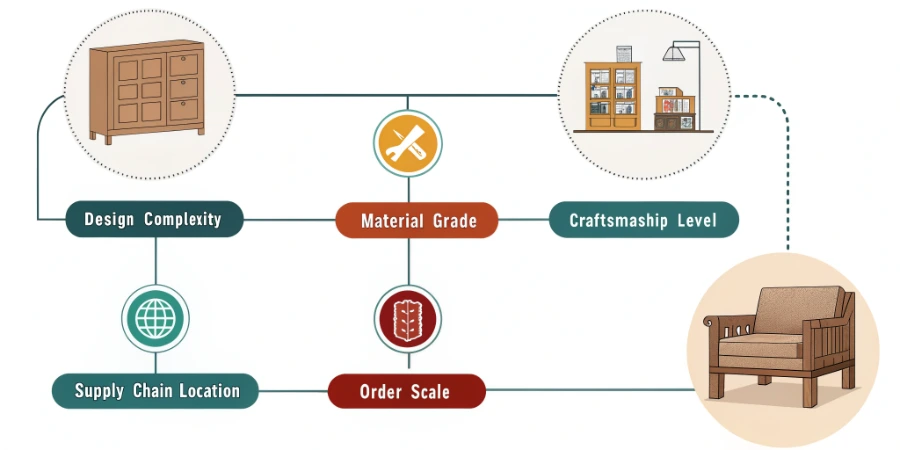
Many people think custom furniture1 is expensive because of the raw materials or a factory’s profit margin. In my experience managing global supply chains for Veyra Luxe, that’s not the whole story. The biggest factor in the cost is the series of decisions the buyer makes. I’ve seen two clients order a wardrobe of the exact same size, with one paying $5,000 and the other $25,000. The difference wasn’t the factory; it was the demand. One chose a simple design with standard hardware, while the other specified complex joinery, premium veneer, and integrated lighting. Custom furniture doesn’t have a price tag; it has a cost structure2 that you build yourself.
How much does it cost to make custom furniture?
You assume that the material—like solid wood versus particle board—is the main driver of cost. This leads you to focus on the wrong specifications, potentially overpaying for materials while overlooking what truly creates value.
The manufacturing cost is primarily driven by design complexity and craftsmanship, not just materials. Intricate designs and high-end finishes like multi-layer lacquer or matched veneers require more labor, skill, and machine time, which significantly increases the price.
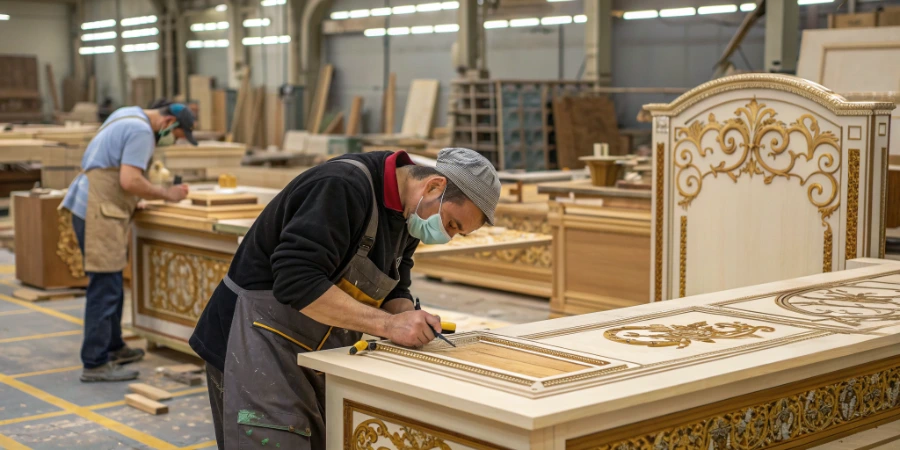
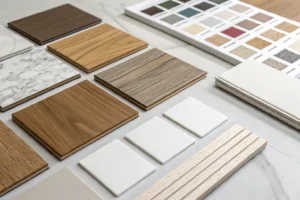
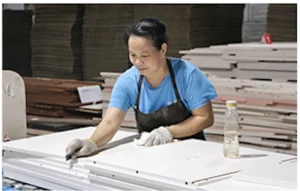
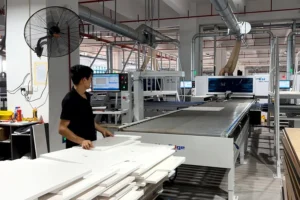
When I work with commercial buyers like Michael, we break down the cost beyond the bill of materials. The materials themselves might only account for 30-40% of the price difference between a basic and a premium piece. The real cost comes from the labor and processes required to turn those materials into a finished product. A simple, flat-panel cabinet is fast to produce on automated machinery. A cabinet with curved doors, integrated channel lighting, and book-matched walnut veneer is a different story. It requires advanced CNC programming, hours of manual finishing, and a much higher rejection rate for imperfections. These are the details that define high-end furniture, and they are what truly drive the cost.
Key Manufacturing Cost Drivers
| Driver | Impact on Cost | Explanation |
|---|---|---|
| Design Complexity3 | 20% – 40% | Simple, flat designs are the cheapest. Curves, niches, and intricate cutouts require more machine setup and manual labor, increasing cost. |
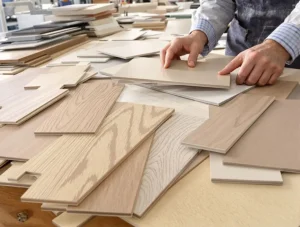
| Material Grade | 30% – 40% | High-density particle board is the baseline. Plywood adds 20-50% for its stability. MDF is used for painted finishes. Solid wood is expensive but not always best. |
| Craftsmanship4 | 50% – 200%+ | This is the biggest variable. Using PUR glue for edge banding, applying a seven-layer lacquer finish, or matching wood grain patterns perfectly are processes that can double the cost. |
Remember, a premium cabinet is expensive because of the high-precision process, not just the expensive wood.
How much does it cost to have someone build furniture?
You get quotes from local carpenters and overseas factories, and the price difference is huge. It is hard to understand why, making it difficult to decide which supply chain is right for your project.
The total cost to have furniture built depends heavily on the supply chain’s location and the scale of your order. Sourcing from an integrated manufacturing hub like Foshan can be 40-70% cheaper than local US production due to supply chain efficiency. Ordering in bulk for a large project can further reduce the per-unit cost by 20-40%.
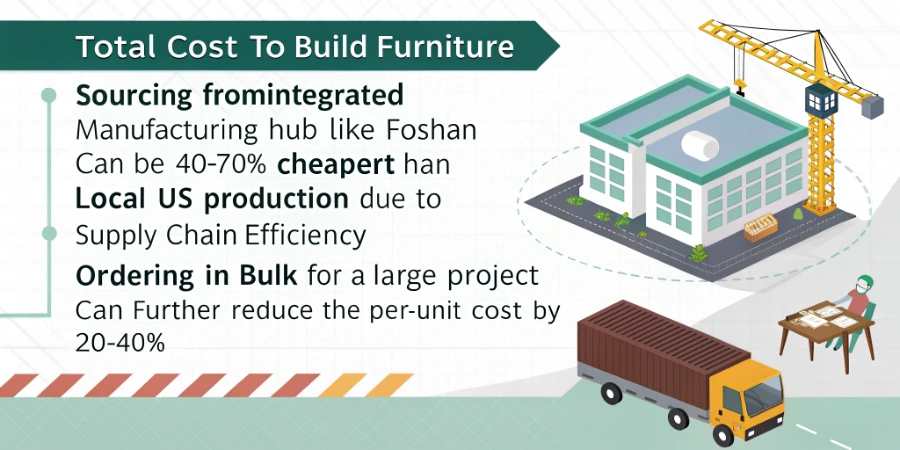
The cost of the factory making the furniture is only one part of the final price. Where that factory is located and how much you order are massive factors. When you hire a local woodworker in the US, they have to source all their materials—panels, hardware, finishes—from distributors who have already marked them up. They are at the end of a long and expensive supply chain.
In a place like Foshan, the entire supply chain is concentrated in one area. The factory making your cabinets is often just a few miles away from the Hettich hardware distributor, the panel manufacturer, and the veneer supplier. This density creates incredible efficiency and lowers costs for everyone. Furthermore, scale is a critical factor for any commercial project. The design, programming, and setup costs for a custom product are the same whether you order one unit or one hundred units. When we produce a 100-unit order for a hotel project, those setup costs are divided by 100, dramatically lowering the price of each piece. For a commercial buyer, leveraging both a centralized supply chain5 and economies of scale6 is the key to managing costs effectively.
Is custom made furniture more expensive?
You see that custom furniture often has a higher initial price than ready-made options. This makes it a hard sell when you are trying to keep project budgets low, and you question if the extra cost is justified.
Yes, custom furniture is typically more expensive upfront than mass-produced furniture. However, mass-produced items often require you to compromise on size, function, or quality, leading to wasted space or a shorter lifespan. Custom furniture is an investment in perfect fit and long-term durability.
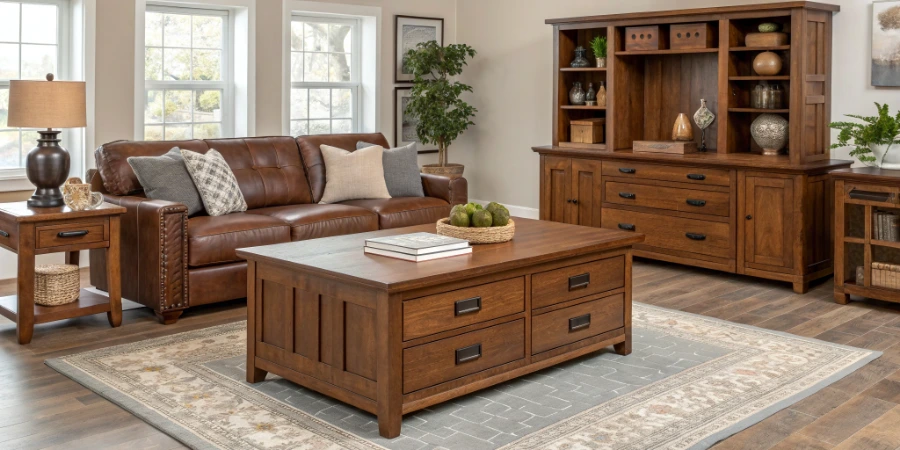
Comparing custom furniture7 to off-the-shelf options based on price alone is a mistake. Mass-produced furniture is cheap because it’s made in the thousands, using standardized materials and sizes designed to be "good enough" for the average person. But in a commercial project, "good enough" rarely is. You may buy a standard vanity that is three inches too short, leaving an awkward gap that looks unprofessional. Or you might use a standard wardrobe that doesn’t maximize the storage space in a room.
Custom furniture solves these problems. It is designed to the exact millimeter of your space, ensuring a flawless, integrated look with no wasted area. You can specify the exact materials and hardware you need to meet the durability requirements of a high-traffic hotel or a luxury residence. I always tell my clients that while the initial invoice for custom furniture1 may be higher, the long-term value is far greater. You avoid the hidden costs of compromises, replacements, and a final look that feels cheap. For a professional, that long-term value is what matters.
Is custom furniture worth it?
You are weighing the higher cost of custom furniture against the easier logistics of off-the-shelf products. You’re unsure if the benefits of customization will deliver a strong enough return to justify the investment and complexity.
Yes, custom furniture is absolutely worth it for any project where brand identity, optimal use of space, and long-term durability are priorities. It allows you to create a unique and cohesive design that strengthens your brand and provides a superior experience for the end-user.
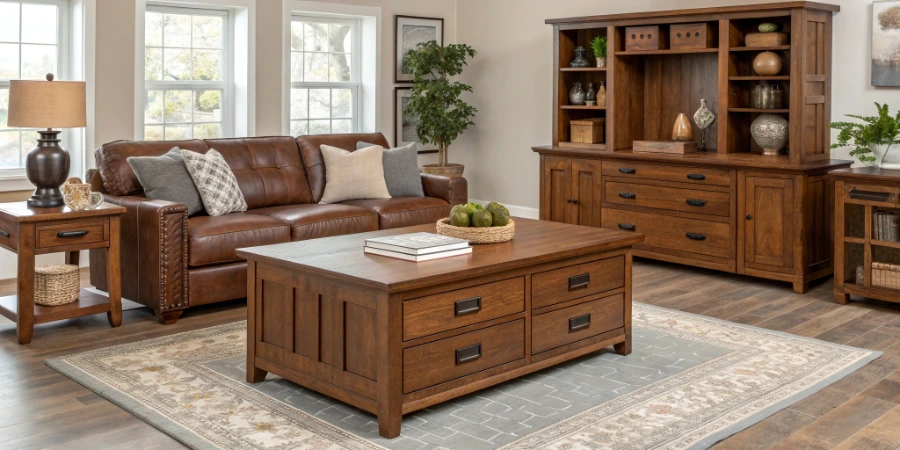
For a commercial buyer managing a large-scale project, custom furniture8 is not a luxury; it’s a strategic tool. Think about a boutique hotel. The furniture is a core part of the guest experience and the hotel’s brand. Using the same generic furniture as every other hotel would completely undermine their identity. Custom furniture allows them to create a unique atmosphere that guests will remember. For a residential developer, high-quality, perfectly integrated custom cabinetry and wardrobes are a major selling point that can significantly increase a property’s value.
The investment pays off in practical terms as well. You can specify tougher finishes for high-wear areas, reinforce structures for heavy use, and design pieces that solve unique storage challenges. This level of control reduces maintenance costs and ensures the furniture will last for many years, protecting your investment and your client’s satisfaction. At Veyra Luxe, we help clients realize this value by connecting them with a supply chain that can deliver this level of customization at a competitive cost.
Conclusion
The price of custom furniture is not a mystery. It is a direct result of your decisions regarding design, craftsmanship, and supply chain. You are the one who designs the final bill.
-
Understanding the factors that affect custom furniture pricing can help you make informed decisions and get the best value for your investment. ↩ ↩
-
Exploring the cost structure of custom furniture will provide insights into how your choices impact the final price, helping you design within your budget. ↩
-
Understanding design complexity can help you optimize costs and improve efficiency in manufacturing. ↩
-
Exploring craftsmanship’s role can reveal ways to enhance quality and justify pricing in your products. ↩
-
Understanding centralized supply chains can help you optimize costs and improve efficiency in your projects. ↩
-
Exploring economies of scale can reveal strategies to reduce costs and enhance profitability in your business. ↩
-
Explore the advantages of custom furniture, including tailored designs and long-term value, to make informed choices for your space. ↩
-
Explore how custom furniture can enhance brand identity and guest experience in commercial spaces. ↩