When buyers first encounter stainless steel kitchen cabinets, one question often comes up:
“Why are stainless steel cabinets considered more durable — and what actually makes them different from traditional wood cabinets?”
The answer lies not only in the material itself, but in the entire cabinet carcass system and panel structure behind it.
In this article, we break down how stainless steel cabinet structures work, and clearly explain the key differences between stainless steel cabinets, traditional residential wood cabinets, and commercial kitchen cabinetry — from a structural and engineering perspective.
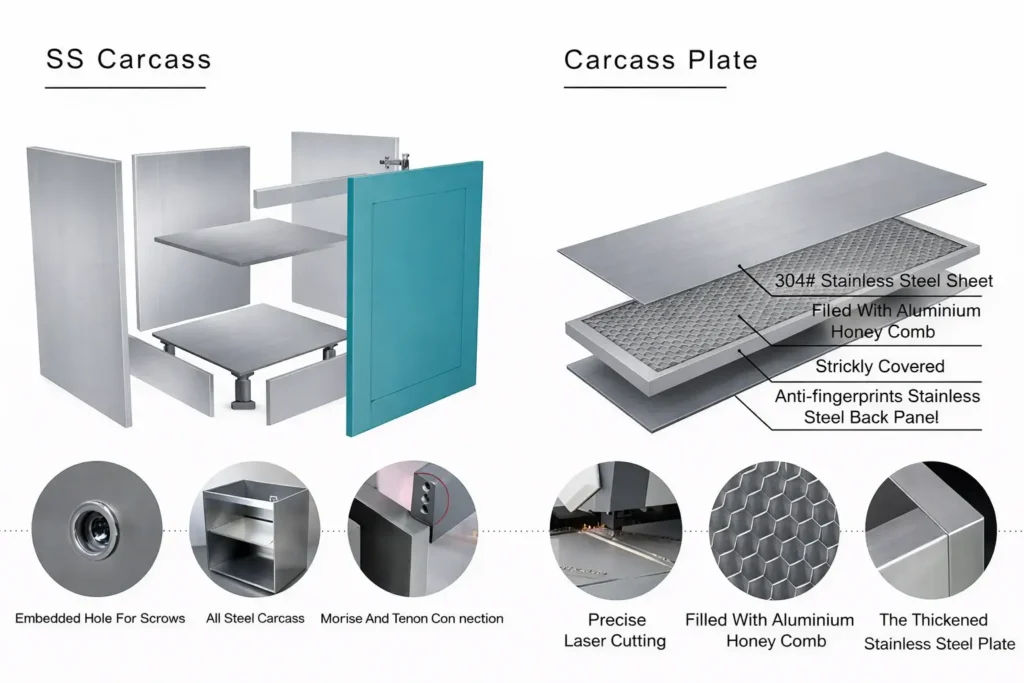
1. What Is a Cabinet Carcass — and Why It Matters
The cabinet carcass is the internal structure of a cabinet.
It carries weight, maintains alignment, and determines long-term stability.
In most traditional kitchens, the carcass is made of:
- Plywood
- MDF
- Particle board
These materials perform adequately in dry, controlled environments — but they are inherently vulnerable to moisture, temperature changes, and long-term structural fatigue.
A stainless steel cabinet carcass, by contrast, replaces wood-based panels with a fully metal structural system designed for strength, precision, and longevity.
2. Stainless Steel Carcass: A Fully Metal Structural System

Unlike hybrid cabinets that combine wood cores with stainless steel skins, a true stainless steel cabinet uses:
- Stainless steel side panels
- Stainless steel back panels
- Stainless steel bottom and shelf panels
- Structural metal joints and connectors
This creates an all-steel load-bearing system.
Why this matters:
- No swelling from moisture
- No warping or delamination
- No insect or mold risk
- No structural loosening over time
For projects requiring long-term performance — such as residential developments, multi-family housing, and hospitality projects — this difference is critical.
3. Exploded Structure: How Stainless Steel Cabinets Are Assembled
In a stainless steel cabinet carcass system, components are engineered, not improvised.
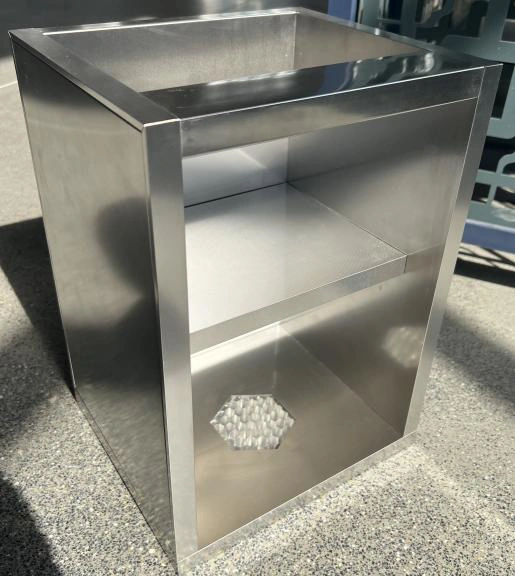
Typical elements include:
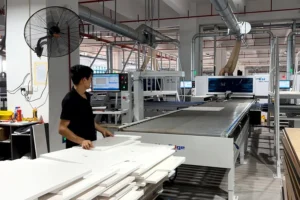
- Laser-cut steel panels
- Precisionh-formed shelves
- Adjustable steel feet
- Modular door panels (separate from structure)
This modular approach allows:
- Accurate installation
- Repeatable batch production
- Reliable on-site assembly
Most importantly, the exterior design can change, while the internal structure remains consistent and engineered to standard.
4. Metal Mortise-and-Tenon Connections: Structural Stability Without Weak Points
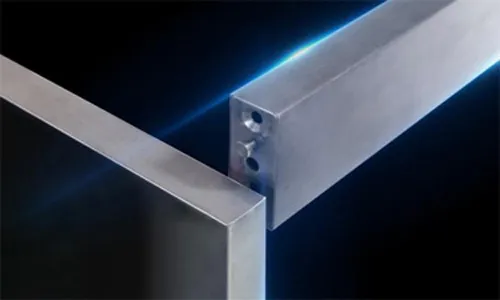
Traditional cabinets often rely heavily on screws driven directly into wood panels.
Over time:
- Screw holes loosen
- Joints shift
- Cabinets lose alignment
Stainless steel cabinets use metal mortise-and-tenon or interlocking connections, combined with pre-embedded fastening points.
This results in:
- Even load distribution
- Fewer stress points
- Higher long-term rigidity
This technique borrows from both traditional joinery logic and modern industrial engineering.
5. Stainless Steel Honeycomb Panels: Strength Without Excess Weight
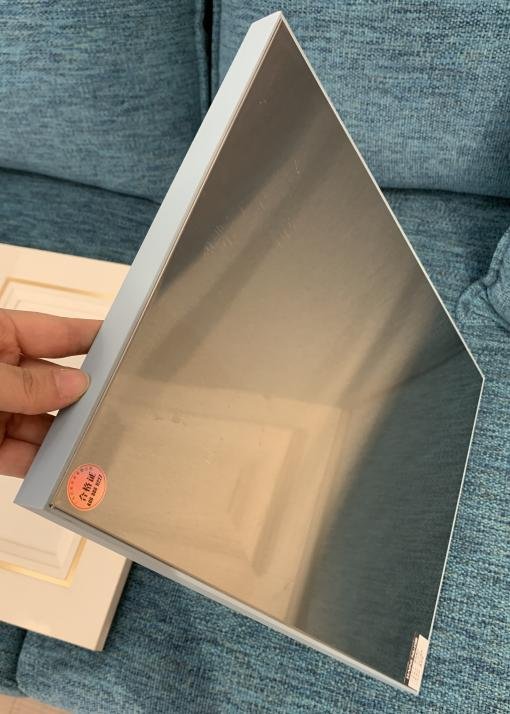
One common misconception is that stainless steel kitchen cabinets must be heavy and overly rigid.
In reality, modern stainless steel cabinetry uses aluminum honeycomb panel structures.
How honeycomb panels work:
- Stainless steel sheet on top
- Aluminum honeycomb core in the center
- Stainless steel back panel underneath
This “sandwich structure” provides:
- High bending resistance
- Excellent load capacity
- Reduced overall weight
- Minimal deformation
Honeycomb structures are widely used in aerospace and architectural curtain wall systems — for good reason.
6. Surface Engineering: Not Just Stainless Steel, But Treated Stainless Steel
Stainless steel cabinet surfaces today are far more advanced than raw metal.
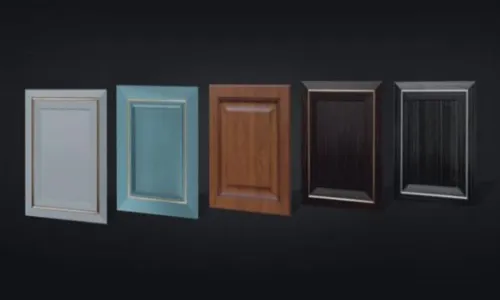
Common treatments include:
These treatments improve:
- Visual warmth
- Daily usability
- Resistance to stains and fingerprints
This makes stainless steel cabinets suitable not only for commercial kitchens, but also for modern residential interiors.
7. Stainless Steel vs Traditional Wood Cabinets: A Structural Comparison

| Aspect | Wood Cabinets | Stainless Steel Cabinets |
|---|---|---|
| Moisture resistance | Limited | Excellent |
| Structural stability | Degrades over time | Long-term stable |
| Hygiene | Porous materials | Non-porous surface |
| Lifespan | 10–15 years typical | Decades with minimal wear |
| Maintenance | Frequent care | Low maintenance |
The difference is not aesthetic — it is structural and material-based.
8. Residential vs Commercial Cabinets: Where Stainless Steel Fits In
Commercial kitchen cabinets prioritize:
- Hygiene
- Heat resistance
- Easy cleaning
Residential kitchens prioritize:
- Design flexibility
- Comfort
- Longevity
Modern stainless steel cabinetry bridges both worlds, offering:
- Commercial-grade structure
- Residential-grade finishes
This makes stainless steel cabinets ideal for:
- High-end residences
- Multi-family developments
- Hospitality projects
- Long-term rental properties
9. Why Stainless Steel Cabinets Are Increasingly Used in U.S. Projects
U.S. developers and builders increasingly choose stainless steel cabinetry because it offers:
- Predictable quality
- Reduced maintenance costs
- Longer replacement cycles
- Factory-direct production scalability
For large-scale projects, consistency and lifecycle cost matter more than initial material cost alone.
Conclusion: Structure Defines Performance
Stainless steel cabinets are not simply “metal cabinets.”
They are engineered systems built around:
- Full stainless steel carcasses
- Honeycomb structural panels
- Precision manufacturing
- Long-term performance logic
Once buyers understand how these systems work, the value becomes clear — especially when compared to traditional wood cabinetry.