International custom furniture procurement offers cost advantages and manufacturing flexibility—but it also introduces project risks.
For developers, contractors, distributors, and design firms, common concerns include:
- Inconsistent quality
- Production delays
- Shipping damage
- Communication gaps
- Installation challenges
The key to success is not avoiding international sourcing—but managing it strategically.
Here is a structured guide on how to reduce project risk in international custom furniture procurement.
1. Start with Clear Technical Documentation
Most overseas project failures begin with unclear drawings.
Before production:
- Finalize detailed shop drawings
- Confirm dimensions and tolerances
- Approve material specifications
- Confirm hardware brands and models
- Sign off on finishes and color samples
No production should begin without full documentation approval.
Clear documentation eliminates 70% of potential misunderstandings.
2. Conduct Sample & Mock-Up Approval
Never move directly to bulk production.
Instead:
- Approve material samples
- Review finish samples
- Produce one mock-up unit (if scale allows)
- Conduct inspection before mass production
Mock-up approval ensures alignment between expectation and output.
For large villa or hospitality projects, this step is critical.
3. Choose a Manufacturer with Strong QC Systems
A reliable manufacturer should have:
- Incoming material inspection
- In-process quality checks
- Final pre-shipment inspection
- Documented QC reports
Ask for:
- Inspection photos
- QC checklists
- Production workflow explanations
Quality control should be structured—not verbal.
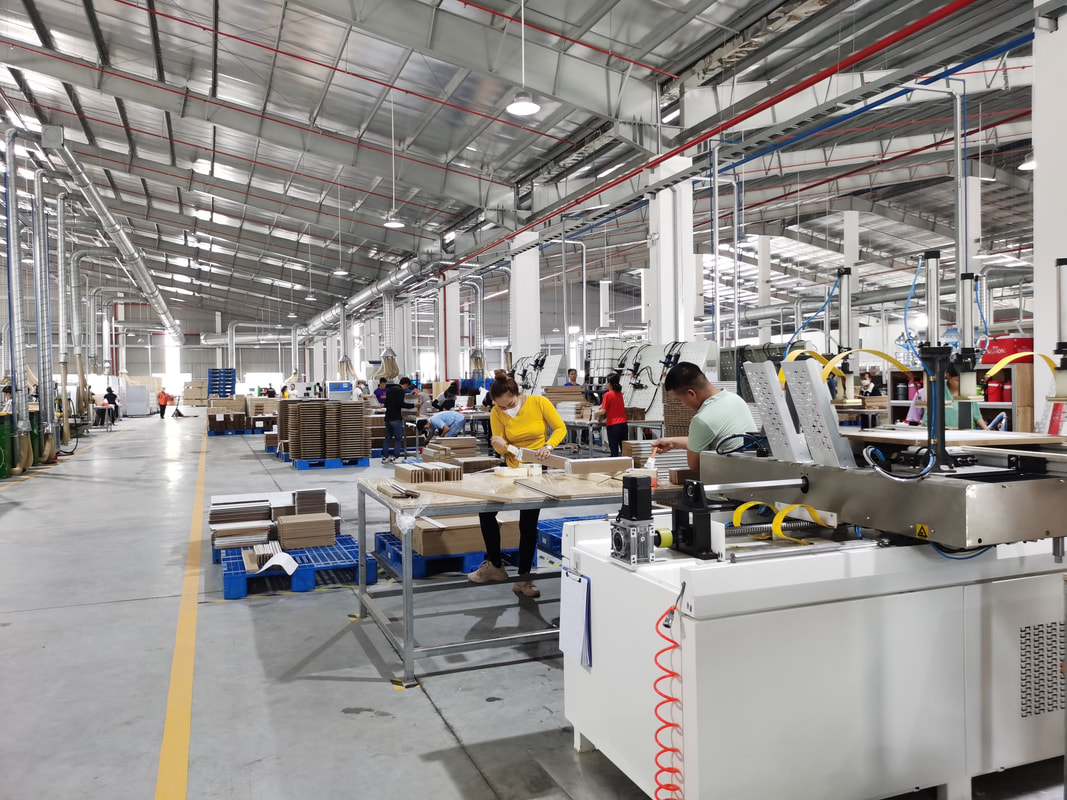
4. Verify Production Capacity & Scheduling
Project delays often come from overloaded factories.
Confirm:
- Monthly production capacity
- Current order load
- Dedicated production line (if applicable)
- Realistic lead time commitments
A slightly longer but realistic lead time is safer than an unrealistic promise.
5. Structure Payment Terms Strategically
Risk can be reduced through payment structure.
Common safer payment structures include:
- Deposit + progress payment after inspection + balance before shipment
- Milestone-based payments tied to inspection stages
- Third-party inspection before final payment
Avoid paying large balances without inspection confirmation.
6. Plan Logistics Carefully
International shipping introduces additional risks.
Confirm:
- Moisture-proof packaging
- Corner protection and reinforced cartons
- Clear labeling per unit
- Container loading plan
- Export documentation completeness
Improper packaging can damage even perfectly manufactured products.
7. Maintain Clear Communication Channels
Communication gaps are one of the biggest overseas risks.
Establish:
- Dedicated project manager
- Scheduled progress updates
- Clear email documentation
- Shared drawing revision history
Avoid relying only on messaging apps without formal confirmation.
8. Conduct Third-Party Inspection (If Needed)
For large projects, third-party inspection adds protection.
Inspect:
- Dimensions
- Surface finishes
- Hardware installation
- Packaging quality
Inspection cost is small compared to rework cost overseas.
9. Coordinate Installation Planning in Advance
Installation risk is often underestimated.
Confirm:
- Installation sequence instructions
- Clear labeling system
- Assembly guides
- On-site support availability (remote guidance if needed)
Poor installation planning can damage reputation with end clients.
10. Build Long-Term Supplier Relationships
One-time transactions increase risk.
Long-term partnerships offer:
- Better communication efficiency
- Standardized systems
- Improved pricing stability
- Reduced coordination errors
Consistency reduces uncertainty.
Common Risk Factors in International Procurement
- Rushed production timelines
- Incomplete technical drawings
- Over-customization without sample approval
- Poor packaging
- Lack of inspection
Proactive planning is always cheaper than post-delivery correction.
Final Thoughts
International custom furniture procurement is not inherently risky—poor process management is.
To reduce project risk:
- Standardize documentation
- Approve samples and mock-ups
- Confirm quality systems
- Structure payments wisely
- Plan logistics and installation carefully
With the right manufacturer and a structured workflow, international procurement can deliver high-quality results while maintaining cost efficiency.
Risk management is not about avoiding global sourcing—it is about managing it professionally.