
When furnishing a home, many homeowners and developers face a key decision:
Should you choose whole house customization or go with traditional furniture?
Both options have advantages, but they serve very different purposes. Understanding the pros and cons of each helps you choose the right solution based on budget, lifestyle, design goals, and long-term value.
This guide breaks down the differences clearly and practically.
What Is Whole House Customization?
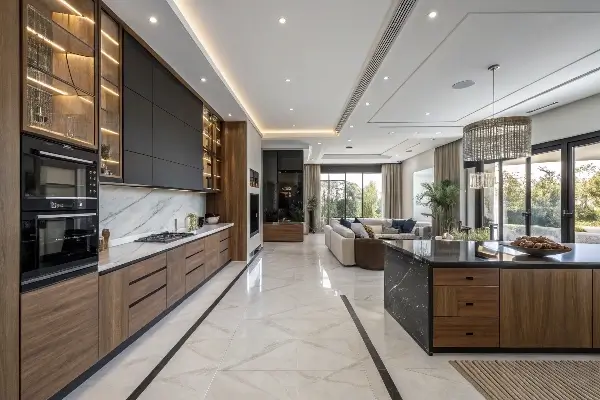
Whole house customization is an integrated solution where furniture is:
- Designed specifically for your space
- Built to exact measurements
- Coordinated across rooms
- Installed as built-in systems
It usually includes:
- Kitchen cabinets
- Wardrobes
- Storage systems
- Bathroom vanities
- Built-in wall units
The goal is to create a cohesive, space-optimized interior.
What Is Traditional Furniture?
Traditional furniture refers to ready-made, freestanding furniture purchased individually.
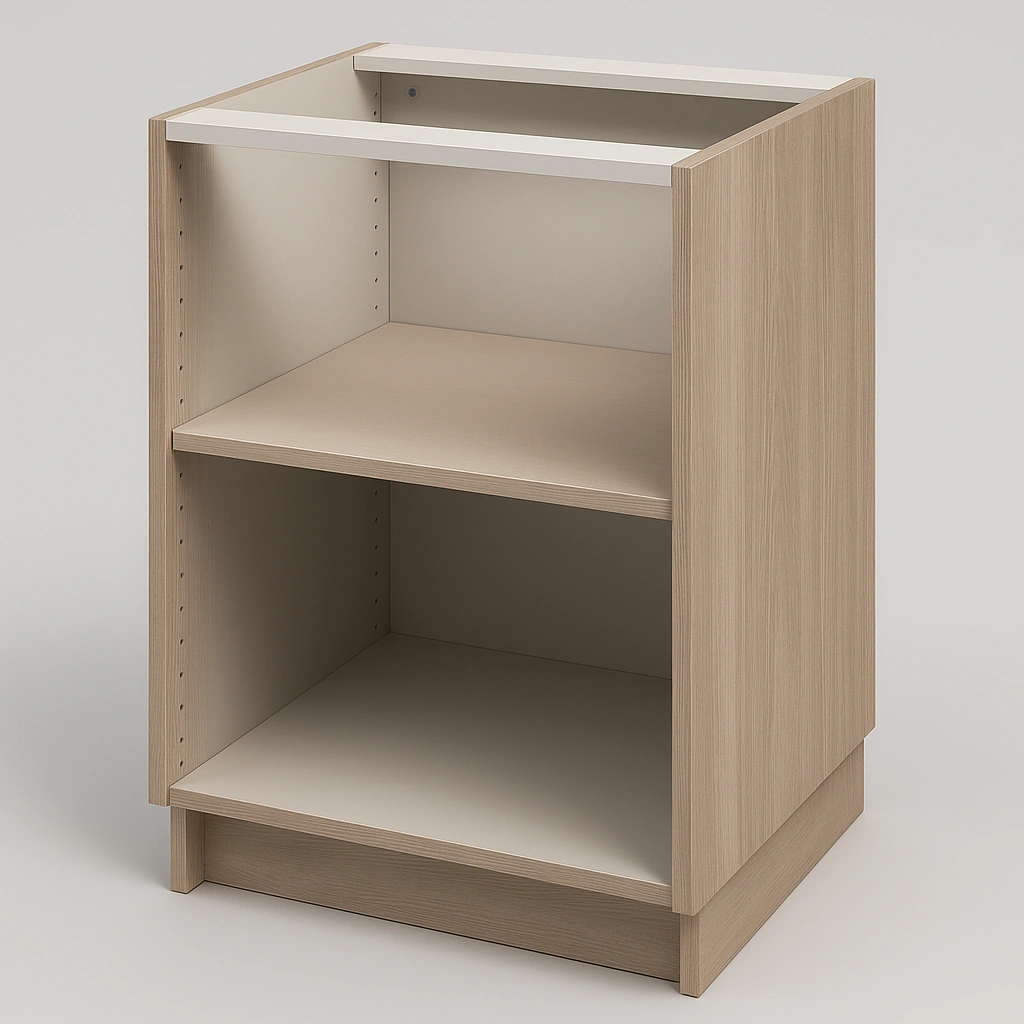
Examples include:
- Standalone wardrobes
- Sofas and tables
- Modular cabinets
- Pre-manufactured storage units
It offers faster availability and lower upfront cost.
Pros of Whole House Customization
1️⃣ Perfect Space Utilization
Built-in furniture maximizes wall height and corner areas.
No wasted gaps between cabinets and walls.
2️⃣ Unified Design Style
Materials, colors, and finishes are coordinated across rooms, creating a clean and consistent look.
3️⃣ Higher Long-Term Durability
Custom systems are usually built with stronger structures and better hardware.
4️⃣ Increased Property Value
Integrated storage and premium finishes can enhance resale value.
5️⃣ Better Storage Planning
Internal layouts are designed based on real usage needs.
Cons of Whole House Customization
❌ Higher Initial Cost
Custom design and production require more investment upfront.
❌ Longer Timeline
Design, manufacturing, and installation may take several months.
❌ Less Flexibility After Installation
Built-in systems are not easily movable.
Pros of Traditional Furniture
1️⃣ Lower Upfront Cost
Mass production reduces pricing.
2️⃣ Immediate Availability
Furniture can be purchased and used immediately.
3️⃣ Easy Replacement
Items can be replaced or upgraded individually.
4️⃣ Flexible Arrangement
Freestanding furniture can be rearranged.
Cons of Traditional Furniture
❌ Wasted Space
Standard sizes often leave gaps and unused areas.
❌ Inconsistent Style
Different brands and purchases may not match perfectly.
❌ Shorter Lifespan
Many ready-made products use lighter materials for cost efficiency.
❌ Limited Customization
Storage systems may not meet specific needs.
Cost Comparison
| Factor | Whole House Customization | Traditional Furniture |
|---|---|---|
| Initial cost | Higher | Lower |
| Long-term value | Higher | Moderate |
| Replacement frequency | Low | Higher |
| Property value impact | Positive | Limited |
Whole house customization often provides better value over 10–20 years.
Lifespan Comparison
- Traditional furniture: 5–10 years (average)
- Whole house customization: 15–25+ years
Durability depends on materials and craftsmanship.
Which Option Is Right for You?
Choose Whole House Customization If:
- You plan long-term living
- Storage efficiency is important
- You want a high-end, cohesive look
- You are furnishing a villa or new apartment
Choose Traditional Furniture If:
- Budget is limited
- You need furniture quickly
- The space is temporary
- Flexibility is a priority
Final Thoughts
The decision between whole house customization vs traditional furniture depends on your goals.
- Traditional furniture offers speed and affordability.
- Whole house customization delivers efficiency, consistency, and long-term durability.
For homeowners and project buyers seeking optimized space and long-term value, whole house customization often proves to be the smarter investment.